For most of history we have pictured aging as a single long slope, a slow and inevitable decline that you ride from your peak down to the end. Longevity experts are urging us to replace that picture, and the interesting thing is that the credible version of their argument is well supported, even though the field around it is thick with hype. Between the sober science and the miracle-pill marketing, there is a genuine rethink worth taking seriously, and it comes down to two shifts: changing what we are aiming for, and recognizing how much of what we call normal aging is actually optional. A quick note first: this is reporting, not medical advice, and anyone weighing real changes should talk to their doctor.
Aim for healthspan, not just lifespan
The first shift is about the goal itself. For decades the conversation about aging was really a conversation about lifespan, the raw number of years. Longevity researchers now argue that this is the wrong target, and that what matters is healthspan, the number of years you spend healthy and functional rather than merely alive. The physician Peter Attia has become one of the louder voices for this reframe, arguing that we focus too much on how long we live and not enough on how well, and that the real aim should be to compress the long period of decline and disability that tends to come at the end.
This idea, known in the research as the compression of morbidity, flips the objective. The point is not to add years of frailty at the far end but to push the frailty into as short a window as possible, so that the healthy, capable stretch runs almost the whole length of the life. Seen this way, success is not dying later. It is staying strong, mobile and sharp for longer, and shrinking the sick part at the end. That is a different picture of aging from the slow universal slide, and a more useful one.
The Artful Age
A weekly letter on aging well, family across generations, and the creative life after the kids leave home.
A lot of normal aging is actually modifiable
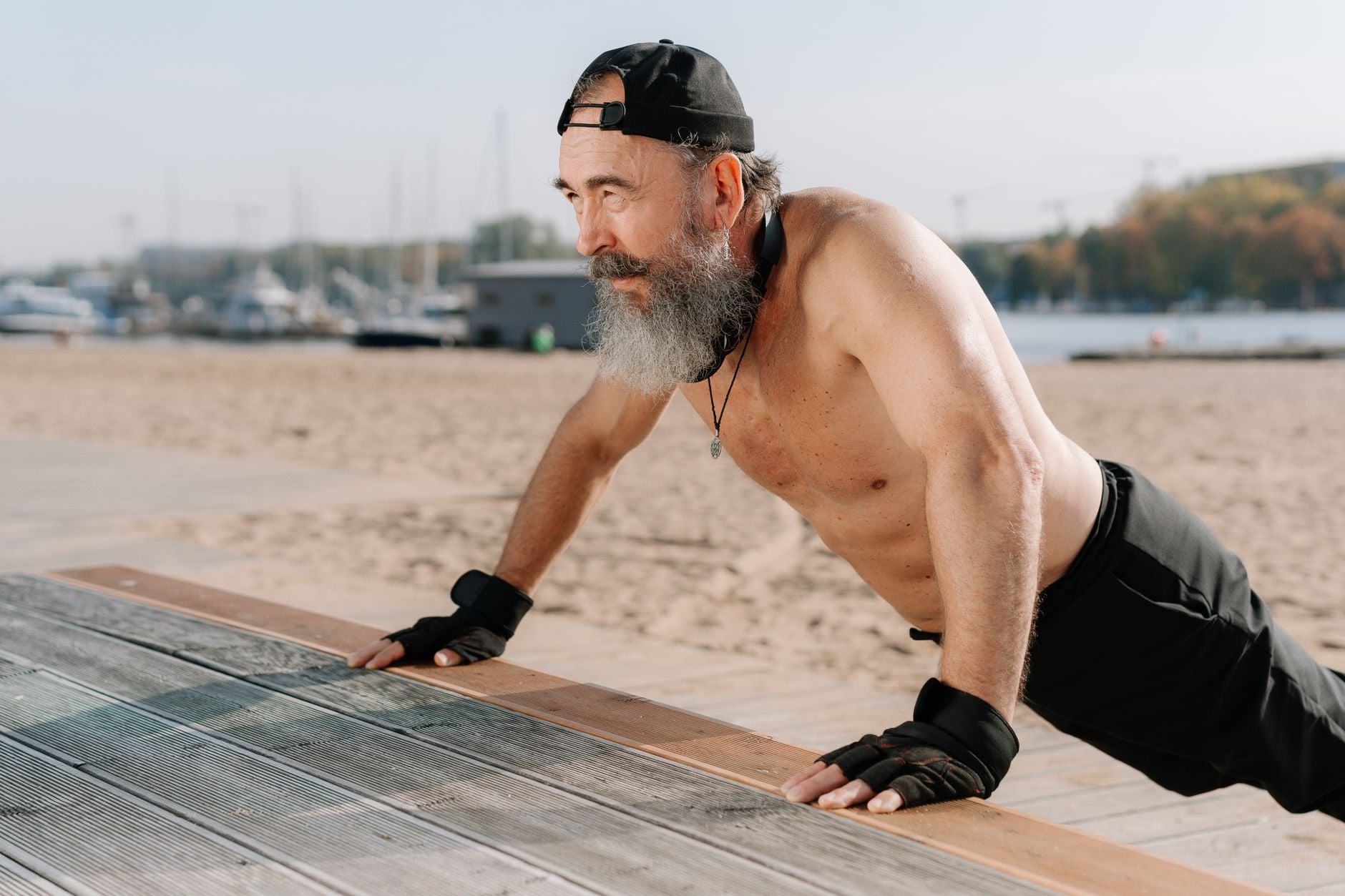
The second shift is more radical: a great deal of what we assume is the fixed decline of aging turns out to be substantially within our control. The clearest evidence comes from fitness. In a large Cleveland Clinic study of over 120,000 people who underwent treadmill testing, cardiorespiratory fitness emerged as one of the strongest predictors of survival the researchers had ever seen, with the least fit facing around five times the mortality risk of the most fit, a benefit that held for people over seventy and appeared larger than the risks from smoking, high blood pressure or diabetes.
Strikingly, there was no upper limit; fitness kept paying off at the highest levels. The implication is that much of what looks like the inevitable weakening of age is really the result of disuse, and that the trajectory is far more trainable than the old story assumed. Strength, balance and aerobic capacity can be built at almost any age, and a person who maintains them can be functionally decades younger than a same-aged peer who did not. Frailty, in other words, is often a choice made passively rather than a fate handed down.
What this does to the picture of aging
Put the two shifts together and aging stops looking like a slope you passively descend and starts looking like a trajectory you substantially shape. The reframe longevity experts are pushing is that the decline is neither uniform nor fixed, that the goal is healthy years rather than sheer years, and that the most influential lever is not a treatment but daily behavior. It is an empowering message, and also a demanding one, because it shifts a good deal of responsibility onto how a person lives across the decades before the marginal years arrive.
The honest caveats
Here restraint matters, because the same field that offers this sensible reframe is awash in claims that far outrun the evidence. Much of the popular longevity industry, the supplements, the anti-aging clinics, the talk of reversing aging or radically extending the human maximum, rests on thin or preliminary science, often from animal studies, and should be treated with real skepticism. The genuinely proven levers are unglamorous and familiar: regular movement, especially both aerobic and strength work, decent sleep, not smoking, reasonable diet, and staying socially connected. The exciting pills mostly are not proven. It is worth keeping the boring, robust advice and leaving the expensive, speculative part on the shelf.
Two further cautions keep this fair. Not everything about aging is controllable; genetics, luck, disease and plain circumstance all play large roles, and factors like income and access to care shape health outcomes as much as personal effort does. The message that you can control your aging can curdle into quietly blaming people for illnesses that were never their fault, which is worth resisting. And while the fitness evidence is powerful and dose-dependent, some of it is correlational, since fit people differ from unfit people in many ways, so the effect, though large, should not be read as a simple guarantee.
Where it leaves us
Stripped of the marketing, the reframe longevity experts are offering is both real and encouraging. Aging is more plastic than the old decline narrative allowed; the sensible target is a long healthy span with a short decline rather than simply more years; and the single most effective thing within reach is not a breakthrough drug but sustained physical activity, available to nearly everyone and beneficial even when begun late. What our aging looks like, on this evidence, is far less predetermined than we were taught to believe. It is not fully in our hands, and pretending otherwise is its own kind of untruth. But it is far more in our hands than the image of the inevitable downhill slide ever suggested, and that is a picture worth adopting, minus the miracle cures.