The idea of an older adult who grows a little happier every year sounds almost too good, the kind of thing we assume must be either rare or invented. It is neither. There is a real and measurable current in later life that carries many people toward greater contentment, not less, and the people who ride it well tend to share a handful of habits. Understanding both parts, the current and the habits, turns becoming happier with age from a hopeful wish into something closer to a plan, provided we are honest about who the current reaches and who it does not.
The surprising current: happiness often rises with age
Start with the fact that overturns the gloomy expectation. When researchers chart life satisfaction against age, they keep finding not a downward slope but a U. Happiness tends to be high in youth, sag through the pressured middle years to a low point somewhere around fifty, and then climb again through the sixties and seventies. In an analysis of well-being across 145 countries, the economists David Blanchflower and colleagues found this U-shape confirmed almost everywhere, with the low point in midlife and a genuine recovery of well-being into older age.
One honesty is owed here, because the science is live. The most recent work by the same researchers suggests this classic U-shape may be shifting, particularly as younger people report more distress, so the pattern is under active revision rather than settled law. But the part most relevant to later life, the tendency for well-being to rise again as people move through their sixties and beyond, has been remarkably robust across countries and decades. The upshot is reassuring and true enough to build on: growing happier with age is not a fluke but a common trajectory, and the older adults who manage it are, in part, cooperating with a tide that is already flowing their way.
The Artful Age
A weekly letter on aging well, family across generations, and the creative life after the kids leave home.
The habit that matters most: keeping a purpose
Riding that tide well is where habits come in, and the single best-supported one is having a reason to get up in the morning. Researchers who study healthy aging have looked closely at what they call sense of purpose, meaning a feeling that your life has direction, goals, and mattering. Their work links a stronger sense of purpose in older adults with a range of positive outcomes, including fewer chronic conditions, less disability, better health behaviors, and even reduced mortality and a later onset of dementia.
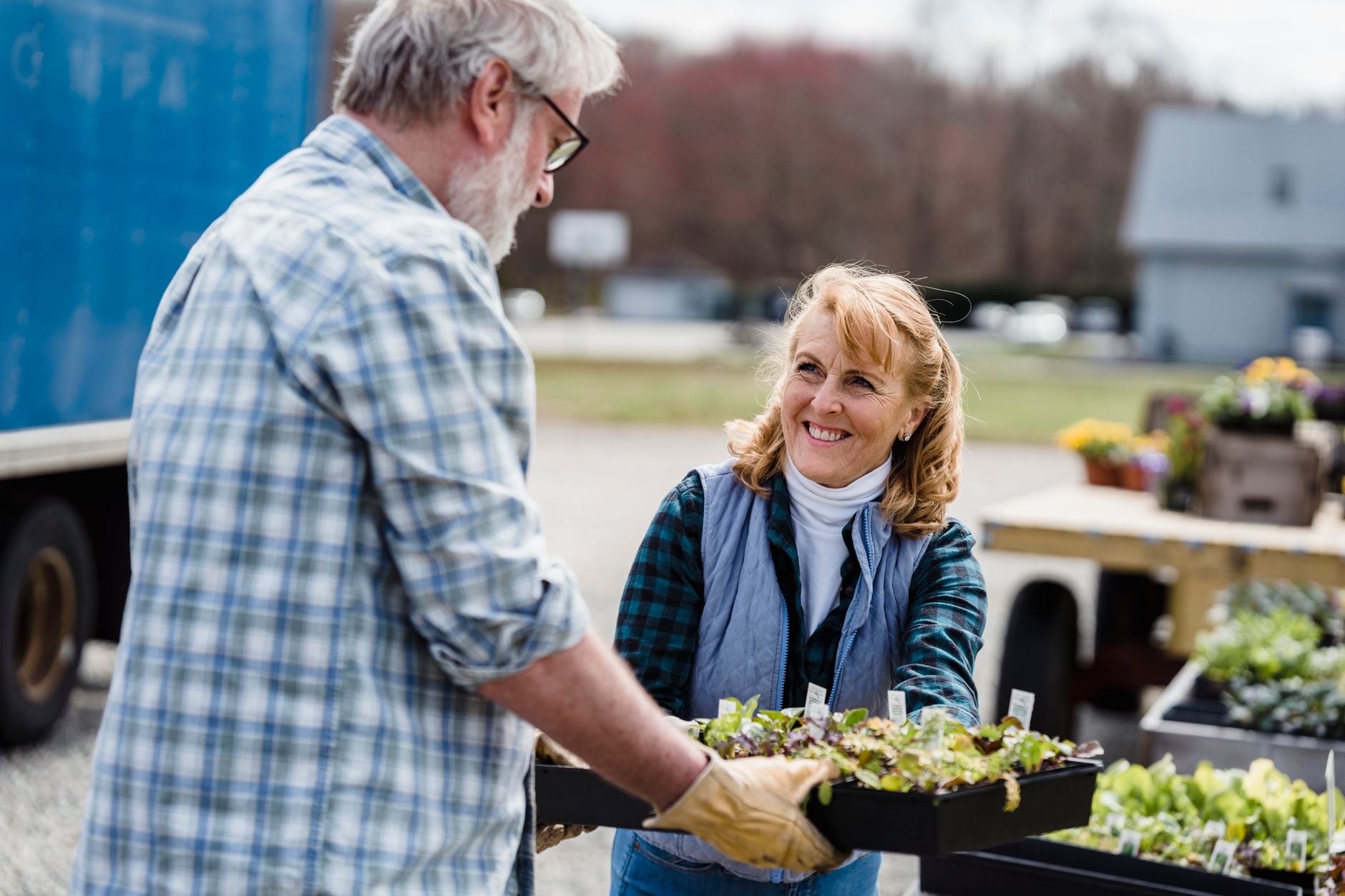
The lesson is not that you must find some grand mission. Purpose in later life is usually modest and concrete: a garden that needs tending, grandchildren to help raise, a craft being slowly mastered, a cause worth volunteering for, a group that would notice your absence. The habit is refusing to let those threads drop as roles fall away, and actively reaching for new ones when old ones end. Retirement and later life remove much of the built-in structure that once supplied purpose, and the happiest older adults are the ones who rebuild it deliberately rather than waiting for it to reappear. A caveat belongs here too, since this research is largely observational and purpose and health surely nourish each other, but the pattern is strong and consistent enough to act on.
The habits that surround it
A few other well-supported habits cluster around purpose, and none is exotic. The happiest older adults tend to guard a small number of close relationships rather than a wide circle, investing real time in the people who matter most, because connection is among the most reliable ingredients of a good later life and it responds to effort. They keep moving in whatever way their body allows, since physical activity supports both mood and the capacities that make enjoyment possible. And they practice a quiet attention to present goods, savoring an ordinary morning or a good meal rather than measuring the day against what has been lost, which is less a trick of forced positivity than a description of what tends to happen naturally when time comes to feel precious.
What ties these together is a shift of emphasis that later life seems to invite: toward the meaningful over the merely busy, the present over the distant, and the few beloved people over the crowd. The older adults who get happier each year are, more often than not, the ones who lean into that shift instead of mourning the life they used to have.
The honest limits
Two cautions keep this humane. The first is that the cheering averages hide enormous variation, and the upward current depends heavily on health, security, and connection that not everyone has in equal measure. For someone contending with serious illness, poverty, isolation, or grief, becoming happier is not simply a matter of the right habits, and it would be cruel to imply that those who do not grow happier have failed at it. The trajectory is a tendency across groups, not a duty laid on any individual.
The second point deserves saying plainly. Persistent low mood in later life is not a normal or inevitable part of getting older, and it should never be waved away as just age. Depression in older people is real, common enough to take seriously, and treatable, and if the pleasure has genuinely drained out of things for weeks on end, that is worth raising with a doctor rather than enduring. This is a sensitive area, and if any of it strikes close to home, speaking with a professional or someone trusted is a sound and hopeful step.
So the picture is both encouraging and honest. Many older adults really do grow happier each year, helped by a genuine later-life rise in well-being and by habits anyone can cultivate: above all a living sense of purpose, held alongside close relationships, movement, and an eye for present pleasures. Lean into the shift the years invite, keep reaching for something that matters, and take real distress seriously rather than filing it under age. Do that, and the evidence suggests the happiness is far more likely to keep climbing than the gloomy version of aging ever led us to expect.