
The kitchen at 6am has a particular quality of light in late summer, thin and grey through the window over the sink, the kettle ticking as it heats, no one else awake yet. This is when a lot of people in their sixties describe feeling most like themselves. Not in a crowd. Not at a family gathering. In the hour before the day requires performance.
The common story about later life is that personality softens or hardens, that people become more themselves through some mysterious ripening. The research tells a stranger story. What shifts is not the core of who someone is but who they are still trying to convince.
The audience most adults spend decades performing for
By the time a person reaches sixty, they have usually spent forty years being watched. Watched by parents whose approval mattered. Watched by teachers, then bosses. Watched by peers whose opinions felt like weather. Watched by children who needed a version of the parent that was reliable, capable, hiding certain things.
The Artful Age
A weekly letter on aging well, family across generations, and the creative life after the kids leave home.
Almost none of this watching is hostile. Most of it is ordinary social life. But the accumulated effect is a self curated for reception, a personality shaped less by preference than by anticipated response.
A thirty-year-old in a meeting is running dozens of small calculations at once. How does this sound. Will this be taken the wrong way. What will they think if the answer is no. The calculations are so continuous they stop feeling like calculations and start feeling like personality.
What actually changes after fifty
Personality psychologists have measured the Big Five traits across the lifespan for decades, and the results are consistent enough to be boring. Emotional stability tends to rise. Agreeableness climbs slightly. Conscientiousness holds. Openness dips a little. Extraversion drops.
These are real shifts, but they are modest. A recent analysis suggests people underestimate how much their own personalities change with age, which is itself telling. If the change were dramatic, it would not need pointing out.
Research published in Nature journals on personality intervention has also shown that older adults respond to targeted change efforts just as well as younger ones. The old idea that personality sets like plaster after thirty has quietly collapsed. And yet the felt experience of many older adults is not that they have become someone new. It is that they have stopped hiding.
The difference between changing and un-performing
Consider the sixty-two-year-old who says she finally feels like herself. Ask her what changed. She will rarely list new traits. She will list subtractions.
She stopped apologising for taking up space in conversations. She stopped pretending to like books she found boring. She stopped nodding along in the doctor’s office. She stopped saying yes to gatherings that drained her. She stopped explaining her food choices, her spending, her Sundays.
None of that is personality change. That is the removal of a performance she had been running so long she had confused it for character.
Why the audience thins in the second half of life
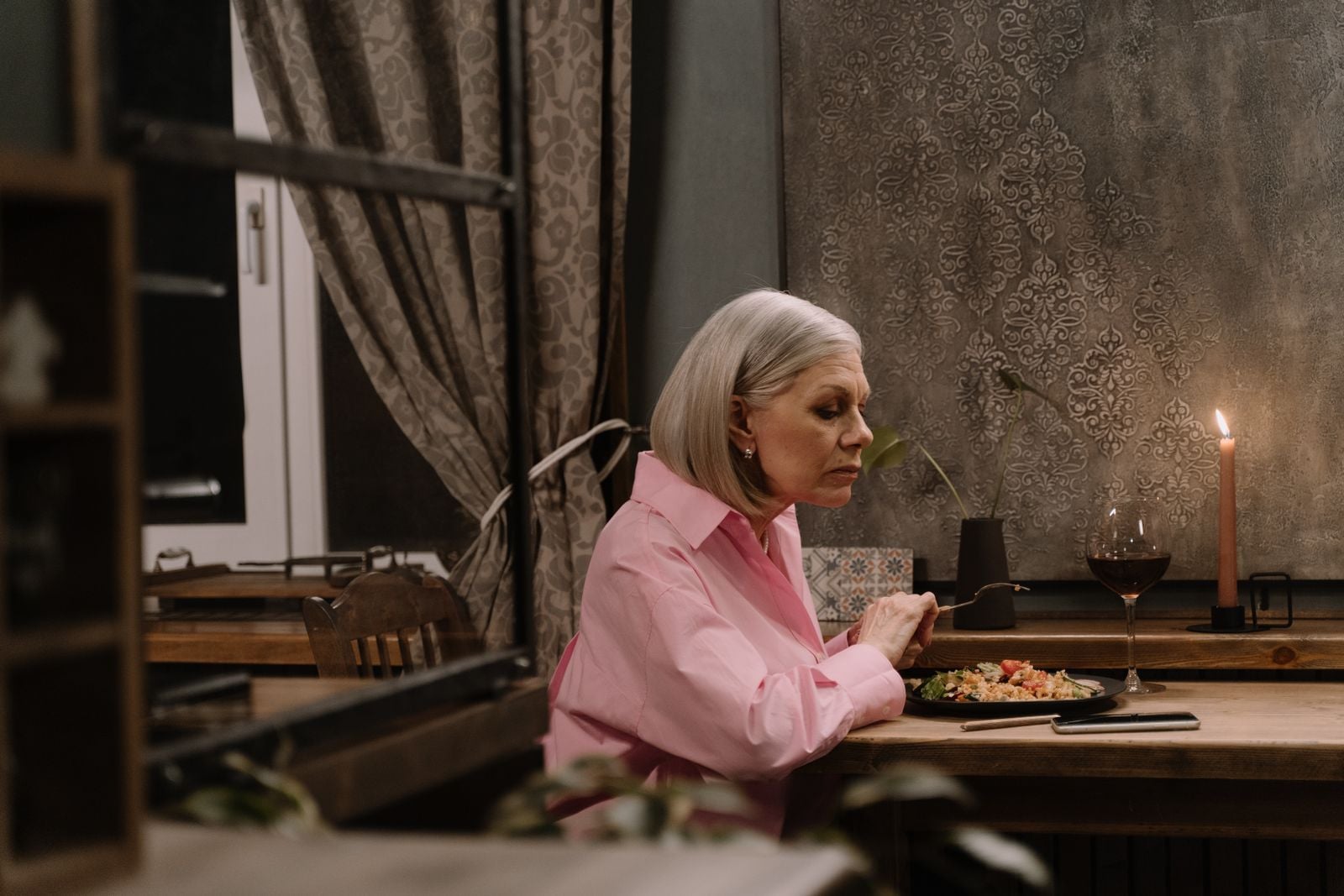
Several things happen at once. Parents die. This alone reorganises an entire internal committee. The voices that shaped early decisions about what was acceptable, respectable, unspoken, quiet down or fall silent, and the adult child notices, sometimes with grief and sometimes with startling relief, that no one is grading them anymore.
Work identity loosens or ends. The colleagues whose approval structured decades of small choices are no longer in the room. Children grow up and stop needing the sanitised parent. The friend group thins to the people who actually know you.
What is left is a person and their own preferences, more or less unmediated. This is disorienting for some and liberating for others. Often both, in shifts, across the same afternoon.
The confusion between growth and permission
A lot of what older adults describe as growth is more accurately described as permission. Permission to prefer solitude without justifying it. Permission to be less charming. Permission to leave the party at nine. Permission to say the difficult thing.
The preference for solitude was probably always there. Research on engagement profiles across older adulthood suggests that patterns of social withdrawal in later life often reflect refinement of what already mattered rather than a new introversion. The difficult opinion was probably always there too, silenced by decades of calculating whether it was worth the social cost.
You do not overcome the fear of being alone by proving you need no one: as an earlier piece explored, you overcome it by learning that being alone and being unloved are different things. The same logic applies to authenticity in later life. It is not built by discovering a new self. It is built by trusting the one that was there all along.
Why thirty felt like performance in a way sixty does not
At thirty, most adults are still deep inside the machinery of proving. Proving competence at work. Proving fitness as a partner. Proving adequacy as a parent, if that path was taken. Proving they have made something of themselves to the people who remember them at twelve.
The proving is not vanity. It is largely how a functioning adult life gets built. Careers are built by people who care what other people think of their work. Marriages are built by people who care what their partner thinks of them. Communities are built by people who care about reputation.
But caring what people think has a shape and a cost. Sustained over decades, it produces a version of the self that is optimised for reception rather than for accuracy. And the person carrying that version around often forgets that a more accurate version exists underneath it.
The furniture doesn’t change, the lighting does
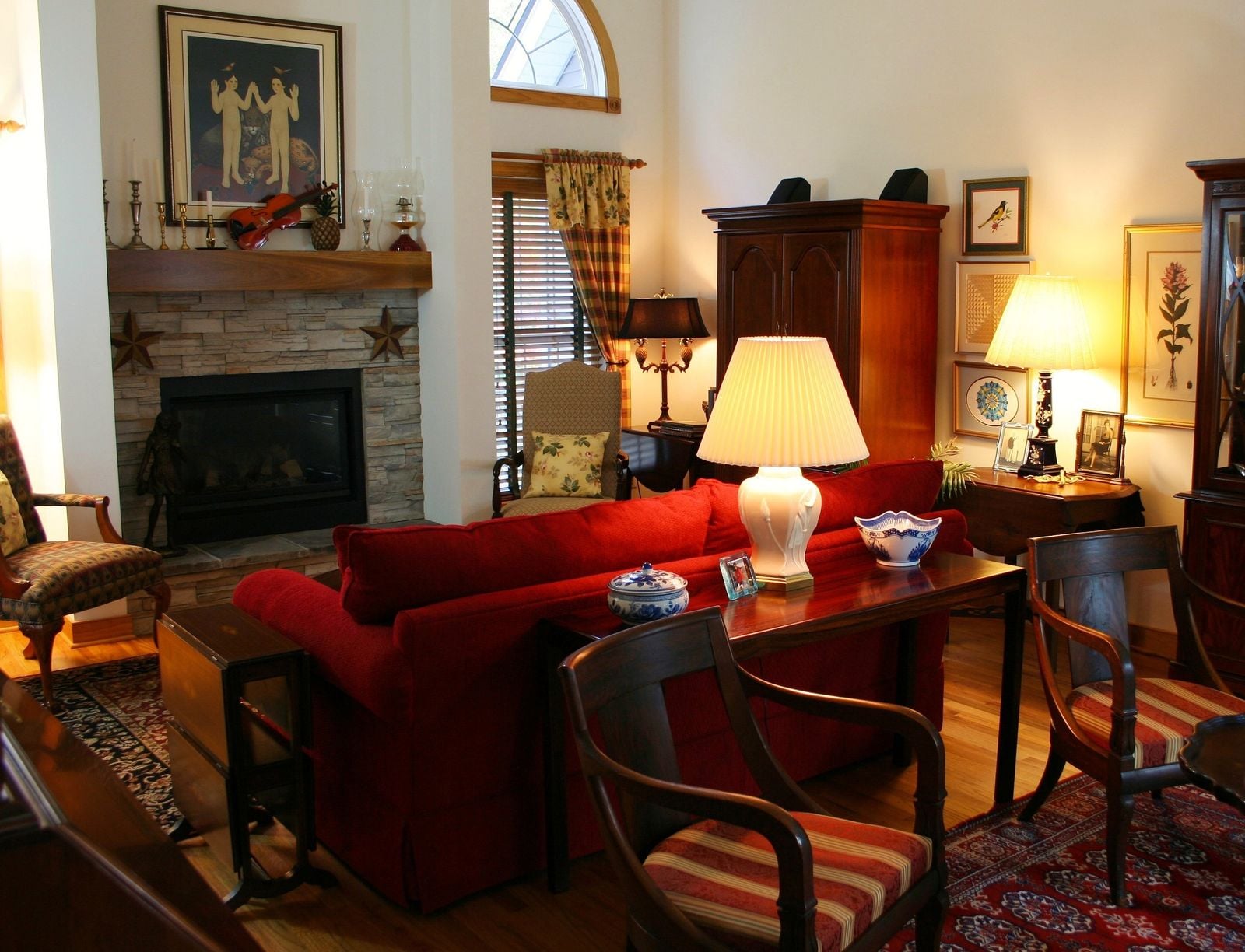
An analogy sometimes helps. Think of the self as a room. The furniture is temperament, disposition, the arrangements of a particular mind. That furniture does not change much across a lifetime.
What changes is the lighting. In the first half of life, the lighting is harsh and public, and the room is arranged with the door open. Every choice about how to sit, what to say, when to laugh is shaped by who might walk past.
Later, the door closes more often. The lamps get softer. The room is still the same room. But the person in it can finally see what is actually there.
What the research on stability actually says
The technical debate in personality psychology is between rank-order stability and mean-level change. Rank-order stability asks whether the anxious child grows into the anxious adult grows into the anxious older person. It largely holds. Mean-level change asks whether the average person shifts in a given trait over time. It also holds, in the modest ways described earlier.
What neither measure captures well is the gap between how a person behaves and how a person feels. A woman who has always been shy but spent thirty years forcing herself to be sociable at work may score high on extraversion in her forties and much lower in her seventies. Her personality did not change. Her incentive structure did.
A recent study on personality plasticity across the lifespan found that both younger and older adults improved emotional regulation with targeted training, which suggests the mechanisms of change remain available at every age. What often looks like ossification is more often just the absence of a reason to change.
The role of accumulated failure
One quiet ingredient in later-life authenticity is failure. By sixty, most people have failed at something visible. A marriage. A career move. A version of themselves they thought they were going to become. Most have been humbled in front of the very audience they were trying to impress.
The audience noticed, and life continued. This is genuinely useful information. Anyone who has been publicly wrong and survived it knows something a thirty-year-old cannot know: the stakes of most social judgment are lower than they feel from the inside.
That knowledge does not arrive as a philosophy. It arrives as a slow loosening of the grip. The person no longer flinches quite as hard at the imagined disapproval of a room they will never be in again.
Why the sayings from childhood soften last
The deepest audience is often the earliest one. The sayings older people absorbed young, the architecture of small rules like waste not want not and big boys don’t cry, sit below conscious thought. They are the last voices to quiet down.
You can watch a seventy-year-old in a supermarket flinch at the price of raspberries, hear a phrase her mother said in 1958, override it, and put the raspberries in the basket anyway. That override is not personality change. It is a lifelong argument finally being won.
The reader who feels this in their own life
If you are somewhere in this transition, you may notice specific things. Small preferences you now voice without preamble. Longer silences in conversations you used to rush to fill. A tolerance for being misunderstood by people who never really knew you.
You may also notice that the people who love you best are relieved. The performance was always slightly exhausting for them to receive. What they wanted was you, and now, more of the time, that is what they get.
The one caution
Being finally free of an audience is a form of freedom. It is also, occasionally, a form of loneliness. A 2024 study on older adults’ personality profiles during and after the pandemic found that the same withdrawal from social performance that produces authenticity can, if unattended, tip into isolation.
The goal is not to be watched by no one. It is to be watched by fewer people, chosen better, whose regard does not require a performance. Feeling more like yourself at sixty than at thirty is not the arrival of a new person. It is the return of an old one, quieter, largely unedited, sitting in a kitchen at 6am, finally not adjusting anything.