
The quietest place on Earth measures minus 24.9 decibels, a level so far below the threshold of human hearing that the air itself becomes the loudest thing in the room. That threshold — the faintest sound a healthy ear can detect — is set at zero. The anechoic chamber at Orfield Laboratories in Minneapolis sits roughly 25 decibels beneath it, according to Smithsonian Magazine. Step inside and close the door, and the sound that remains is you.
Your heartbeat, first. A wet, rhythmic thud somewhere behind the sternum. Then breathing, louder than it has any right to be. Then a high, thin ringing that seems to come from the walls but is really coming from inside your own auditory nerve. Then, if you stay long enough, the sound of your eyelids meeting when you blink.
A room built to swallow sound
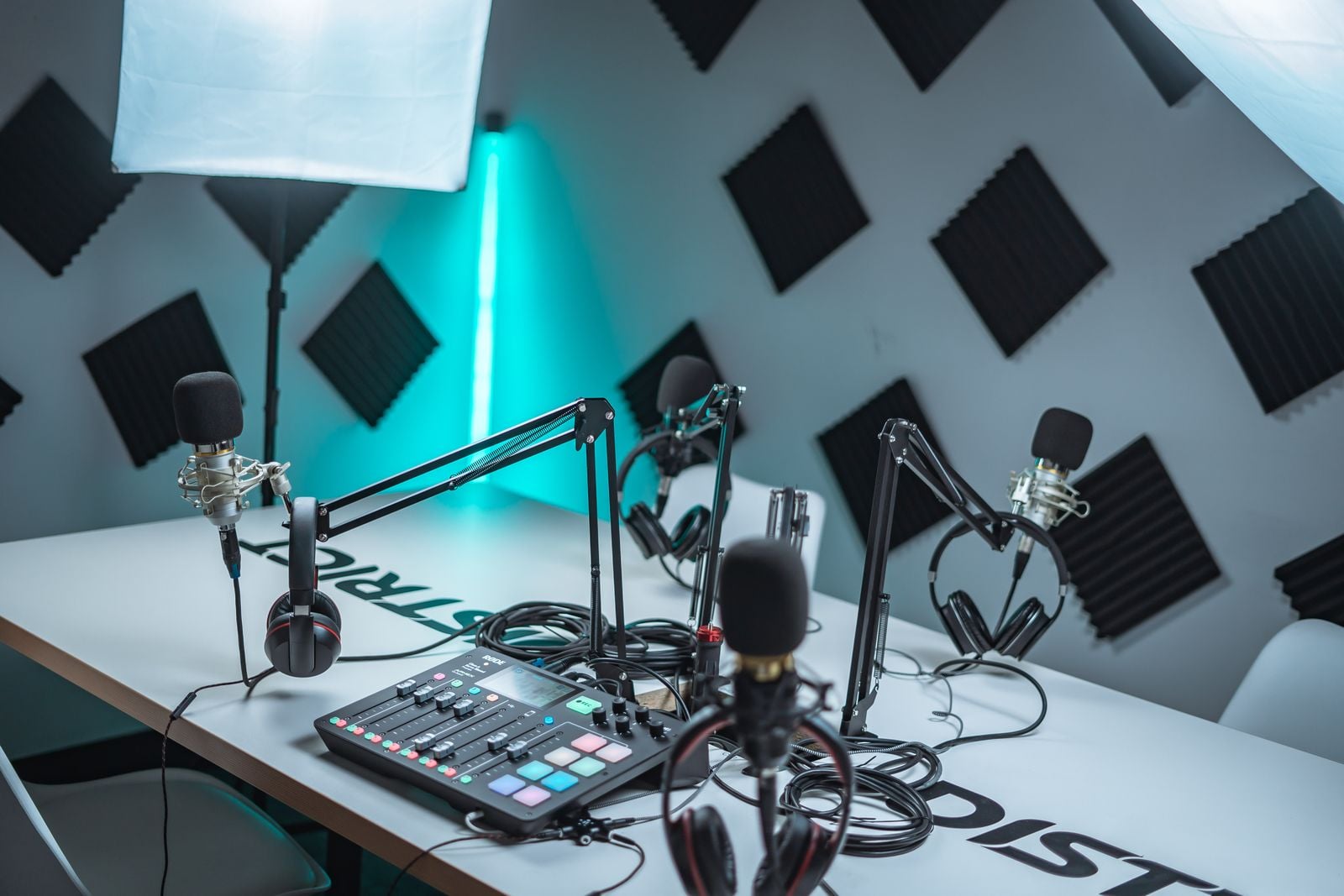
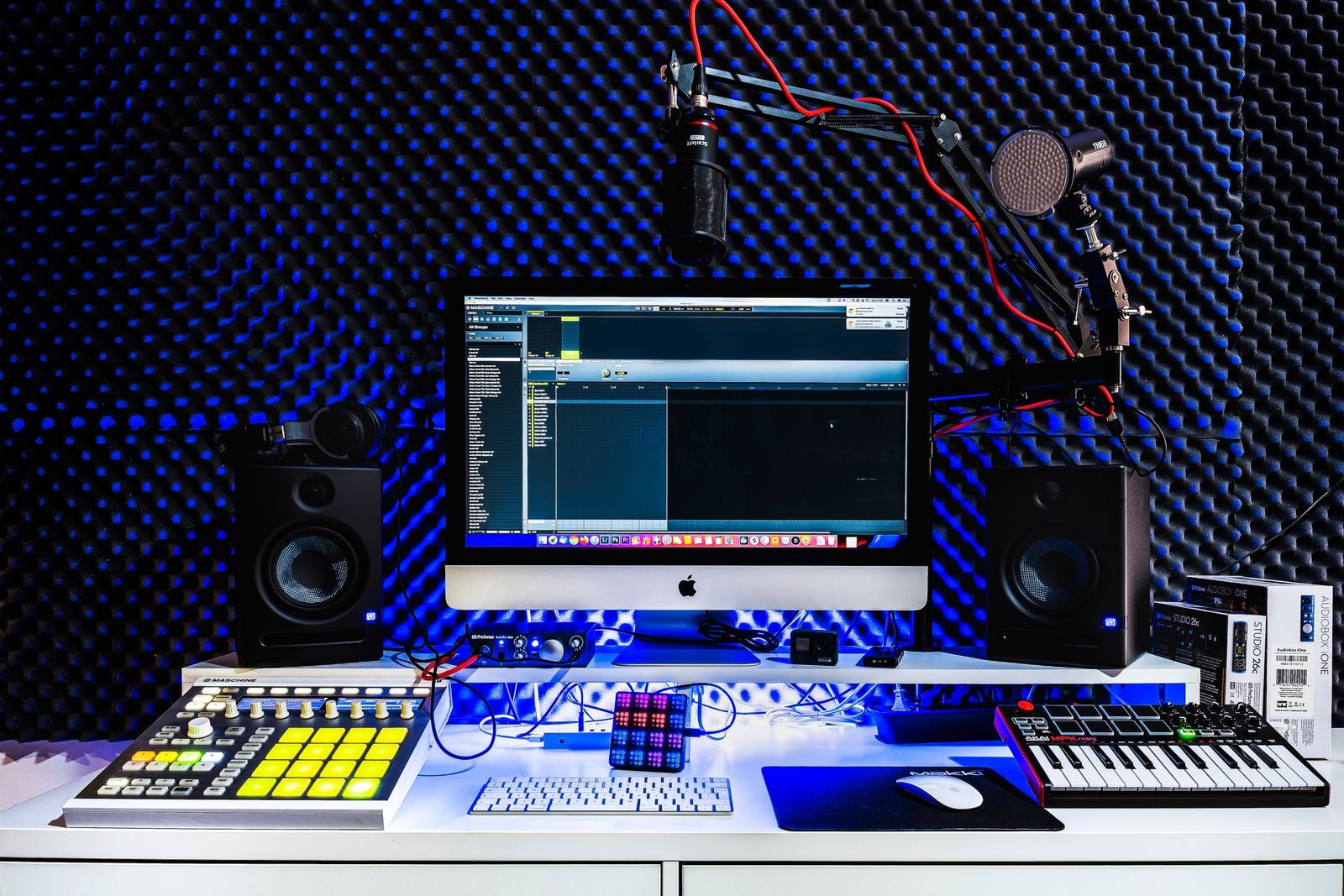
An anechoic chamber is a room engineered to absorb 99.99 percent of the sound waves that hit its surfaces. The Orfield chamber does this with fiberglass wedges — dense, foot-long pyramids of insulation lining the ceiling, all four walls, and the floor beneath the wire-mesh platform visitors walk on. The wedges break up sound waves and dissipate their energy as heat before they can bounce back.
The Artful Age
A weekly letter on aging well, family across generations, and the creative life after the kids leave home.
The room floats. The entire chamber sits on vibration-damping springs and layers of concrete and steel to keep the rumble of nearby traffic, HVAC systems, and even distant footsteps from leaking in. According to IFLScience, the chamber has held the Guinness World Record for lowest sound level three separate times — in 2004, 2012, and 2021 — with measurements of minus 9.4, minus 13.4, and finally minus 24.9 decibels.
The dimensions are small. Roughly 12 feet by 10 feet by seven feet four inches. Smaller than a suburban bedroom.
Why the number is negative
Sound cannot actually be negative. Decibels can. The scale is logarithmic, which means each 10-decibel step represents a tenfold change in intensity. Zero decibels was chosen as the quietest sound a person with healthy hearing can perceive — the rustle of a leaf at three feet, roughly.
Minus 24.9 dBA is quieter than that, by a lot. It is close to what physicists call the theoretical noise floor of air itself, where the only remaining sound is the random collision of air molecules. Reporting from Yahoo on a competing chamber at Microsoft’s Redmond campus notes the same limit: at those levels, you are pressing up against the physical minimum of what a room on Earth can be.
What the body starts to sound like
Human hearing evolved in a noisy world. Wind, birds, footsteps, breath, distant water. The auditory system uses that constant low hum as a reference — a kind of acoustic horizon. Take the horizon away and the brain reaches for anything it can find.
What it finds is the body.
Visitors to the Orfield chamber consistently report hearing their own heartbeat within seconds. Then breathing. Then, according to Smithsonian’s account, the sound of blood moving through the vessels in the neck and skull — a soft rush, like water in a distant pipe. Joints creak when you shift your weight. Swallowing is described as thunderous. Some visitors say they can hear their own eyelids close.
These sounds have always been there. The chamber does not amplify them. It simply removes everything else.
The ringing that isn’t in the room
After a few minutes, most people hear something else. A high, faint tone. Sometimes two tones, one in each ear. It sounds like it is coming from the walls, or from the air, or from just above the head.
It is not. It is coming from the auditory system itself.
The technical name is spontaneous otoacoustic emission — a low-level sound produced by the hair cells inside the cochlea as they fire and reset. In an ordinary room, ambient noise masks it completely. In an anechoic chamber, there is nothing left to mask, so the brain suddenly notices its own internal signal and interprets it as external. This is also what tinnitus feels like, which is why the chamber has been used in research on hearing disorders.
People who have never experienced tinnitus in their lives often experience a version of it inside the room. The sound follows them out for a few minutes after they leave, then fades as normal ambient noise returns.
Why nobody lasts long
A persistent legend claims no one has ever stayed in the Orfield chamber for more than 45 minutes. That is not true — a New York Times Magazine writer sat inside for three hours, as Smithsonian reported. But most people do leave much sooner than they expect to.
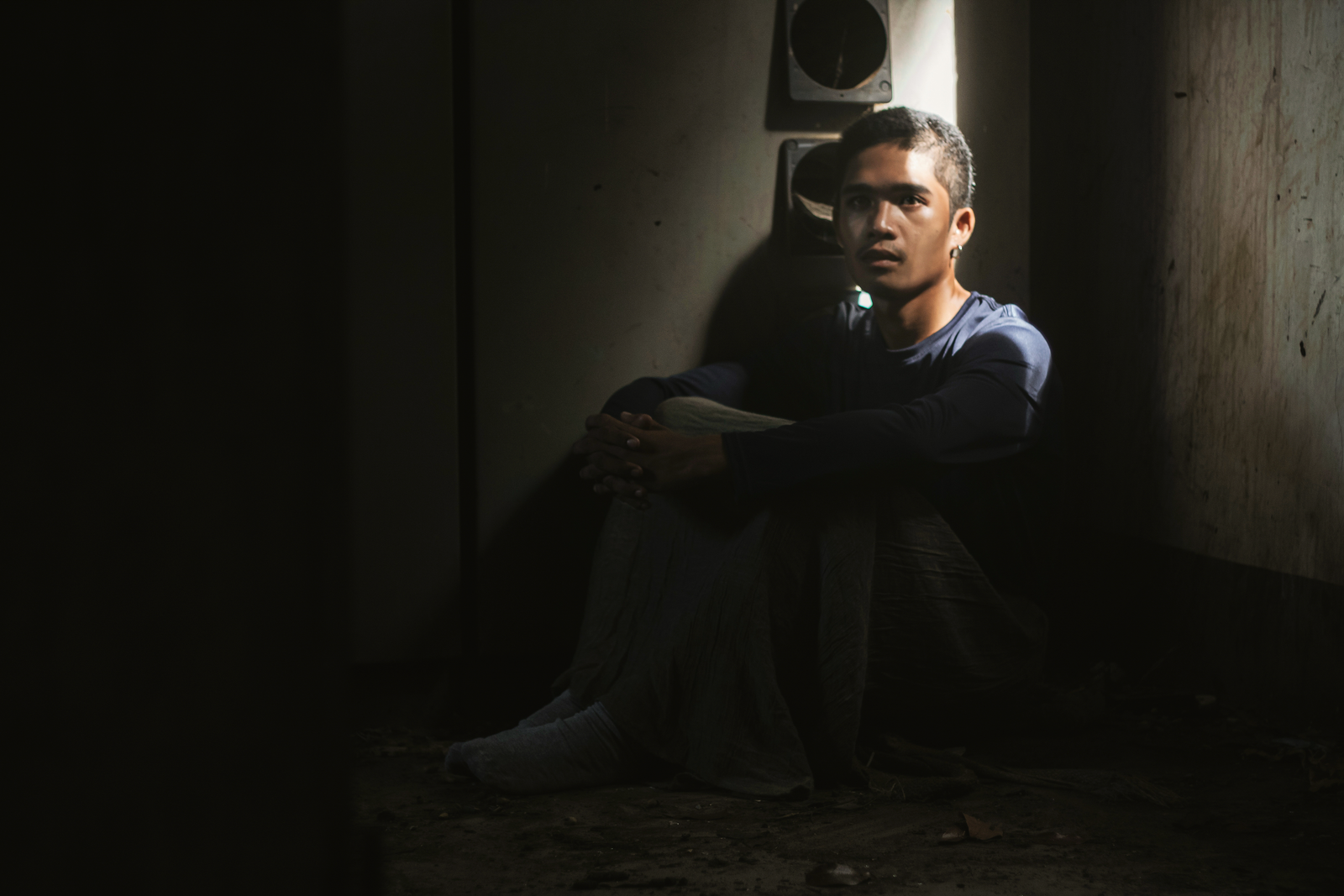
Part of the difficulty is sensory. The lights are usually turned off during visits, so the acoustic void arrives with a visual one. Balance depends partly on hearing — subtle cues about the size and shape of a room help the vestibular system orient the body in space. Strip those cues out and standing upright becomes surprisingly hard. Visitors report having to sit down, or having to feel for the walls to keep from listing sideways.
Part of the difficulty is psychological. A journalist who tried the Microsoft chamber described the experience to Pulse as feeling both deaf and blind at once. She lasted eight minutes. It took two hours afterward to fully recover her sense of equilibrium.
What the chamber is actually for
Orfield Laboratories does not run the room as a curiosity. The chamber is an accredited acoustic testing facility, used by manufacturers to measure the exact sound signature of products — the click of a switch, the hum of a motor, the whir of a laptop fan at idle. When the ambient noise floor is minus 24.9 decibels, every tiny sound a product makes becomes measurable.
Microsoft built its own chamber in Redmond for the same reason. The company tests Surface tablets, Xbox consoles, and HoloLens headsets there, listening for fan noise and electronic whine that would be inaudible anywhere else. Medical device companies use anechoic rooms to tune hearing aids. Car manufacturers use them to measure the exact tone of a door closing.
The room is a scientific instrument. The sensory experience is a side effect.
The natural quiet, and how it compares
Outside a laboratory, the quietest places on Earth are much louder than minus 24.9 decibels, but still remarkable. The Haleakalā Crater on the Hawaiian island of Maui — a volcanic bowl high above the Pacific — has been measured at around 10 dBA in the deepest backcountry, close to the threshold of human hearing. The crater is quiet because it is high, arid, and shaped like a cup. There is little vegetation to rustle, few animals to call, and the crater walls block the wind. Visitors say they can hear their own heartbeats there too — but the sky is above them, the horizon extends for miles, and the body’s internal noises never fully take over. The natural world is quiet. The anechoic chamber is something else. It is silent in a way the natural world is never allowed to be.
What the silence teaches
People who have written about their time in the Orfield chamber often describe the same arc. First relief — a sense of finally escaping the ambient wash of a modern life. Then, within a few minutes, discomfort. Then, sometimes, something closer to panic.
The discomfort is not really about silence. It is about the sudden, unignorable fact of the body. In ordinary life, the constant low noise of the world lets the brain treat the body as background. Heart, lungs, blood, joints — all of it hums along beneath conscious hearing. Remove the world and the body moves into the foreground, and the foreground turns out to be surprisingly loud.
This is part of why extended stays are so hard. The mind is being asked to sit with itself, in a way that most modern days never require. Recent editorial work on the strangeness of true solitude touched on a related point — that being alone with oneself, without the buffering of ambient input, is a skill most people have quietly lost.
The five-million-dollar rumor
A story has circulated for years that Microsoft or Orfield offers five million dollars to anyone who can stay in the chamber for an hour. There is no such prize. Both facilities allow tours and paid visits, but neither runs a bounty. The rumor persists because it feels true — because the room sounds like the kind of place that should have a prize attached to it.
The reality is more mundane and more interesting. People pay to go in. They sit in the dark. They listen to their own hearts. Most leave within twenty or thirty minutes, changed slightly, ears ringing, walking a little unsteadily back into a world that suddenly sounds enormous — the hum of fluorescent lights, the whisper of the ventilation, the distant traffic outside — all of it rushing back like water filling a glass.
For a few minutes afterward, the ordinary noise of a hallway feels almost violent. Then the ears recalibrate. The heartbeat retreats behind the wall of the world. The blink goes silent again. And whatever the chamber revealed about the body — that it has been talking to itself all along, at a volume the room usually hides — settles back beneath hearing, where it will stay until the next time the world goes quiet enough to listen.