Being a bloke is often assumed to be life on the easy setting. Men, the story goes, hold most of the advantages, set most of the rules, and have the least to complain about, and in plenty of respects that is fair. But not always easy is a modest and accurate claim, because there are specific, serious burdens that fall heavily on men, and part of what makes them so hard is a cruel loop: the same code of masculinity that produces these struggles also forbids talking about them. A man is quietly taught that the manly thing is to carry it alone, which is precisely the instruction that turns a difficulty into a trap.
The struggle men are told to hide
The starkest example is mental health, where the numbers are sobering. Men die by suicide at around three and a half times the rate of women in the United States, a gap that holds across most Western countries, and a large part of the reason is that men are far less likely to reach out for help, because traditional masculine norms equate self-reliance with strength and treat asking for support as a kind of weakness.
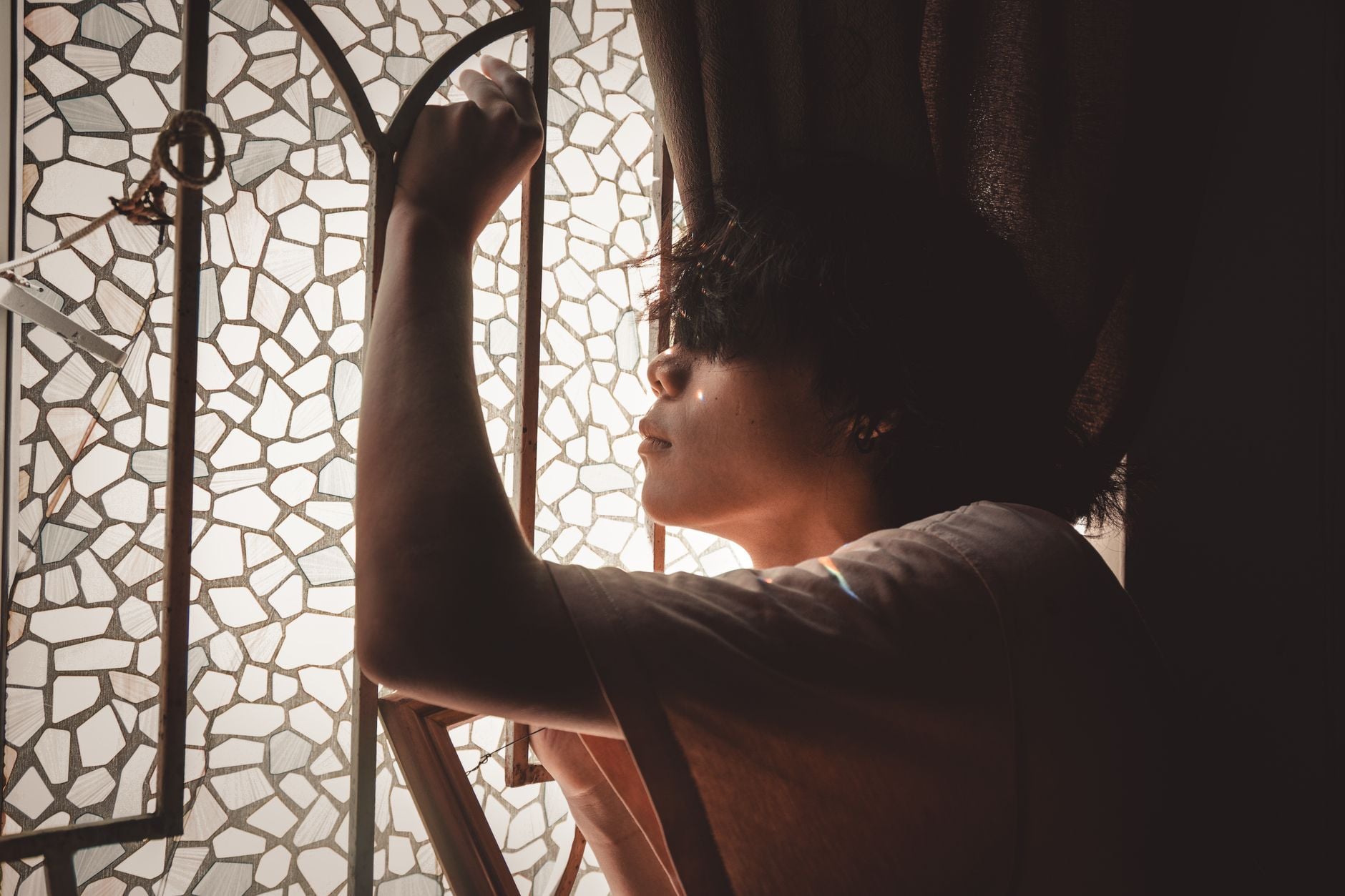
This is the burden made worse by the very training meant to make men strong. Boys learn early to equate stoicism with manhood, to swallow distress rather than voice it, and to see a request for help as an admission of failure. The result is that many men reach their darkest moments having told no one, facing the worst of it in a silence they were taught to keep. It is a difficulty that is not really about being male in any biological sense; it is about a script handed to men that says a real bloke copes on his own. That script does not make the pain smaller. It only makes it lonelier, and in the most serious cases, more dangerous.
The Artful Age
A weekly letter on aging well, family across generations, and the creative life after the kids leave home.
The friendships that quietly disappear
The same forces show up in a second, less visible way: many men are drifting into isolation without quite noticing. A survey by the Survey Center on American Life found that the share of men with at least six close friends fell from 55 percent in 1990 to 27 percent, while the share of men reporting no close friends at all rose from 3 percent to 15 percent, a fivefold jump, with men experiencing the steepest decline in friendship of any group.
This friendship recession is its own kind of hardship, and it connects directly to the first. The norms that discourage men from opening up do not only keep them from therapists; they keep them from each other. Male friendship is often organized around activity and banter rather than disclosure, which is fine until life gets heavy and a man discovers he has plenty of mates to watch the game with and no one he can actually tell that he is struggling. Many men let their close friendships quietly lapse in adulthood, assuming that needing people is something to grow out of, and then find themselves without the support network that might have caught them. The loneliness and the mental-health risk are two faces of the same underlying pattern: a masculinity that prizes not needing anyone, right up until the moment that not needing anyone becomes the problem.
Naming it without turning it into a contest
It is worth being careful about what this does and does not claim. It is not an argument that men have it harder than women overall, and it need not become a competition of grievances, which helps no one. Men still hold real advantages in many arenas, and acknowledging the specific difficulties of being a bloke takes nothing away from the difficulties others face. The point is narrower and, honestly, kinder: some genuine burdens are concentrated among men, and they are compounded by a culture that tells them to tough it out in silence rather than admit they are human.
The encouraging part is that none of this is fixed. These patterns come from norms, not nature, and those norms are already loosening as more men talk openly about their mental health and rebuild the friendships the old script told them to outgrow. The single most useful thing a man can do for both his mind and his social life is the very thing that code forbids: say something, reach out, let people in, treat needing others as ordinary rather than shameful. Being a bloke is not always easy, and a good deal of what makes it hard is the belief that a bloke has to manage everything alone. Loosening that one belief turns out to help with almost all of it.
This is a sensitive subject. If any of it resonates with you personally, please know you do not have to face it alone. Support is available, and reaching out to a trusted friend, your doctor, or a mental health professional or helpline is a sign of strength, not weakness.