The wish to become a better person, and to do it soon, is an admirable one, and the internet is full of habit-lists promising to deliver it: wake earlier, journal, drink water, and so on. But the research on how people actually become better, meaning kinder, fairer and more decent to others, points at two things those lists rarely mention, and it gently undercuts the whole as-soon-as-possible framing. The single most useful change is not adding a virtuous habit at all. It is altering an assumption most of us do not know we are making. Here is what the evidence suggests about becoming a genuinely better person, as opposed to feeling like one.
The first habit to change is believing you are already good
Start with the obstacle that blocks all the others. Most people quietly believe they are already more moral than average, which makes the project of improvement feel optional. The psychologists Ben Tappin and Ryan McKay put this belief to the test. They found that almost everyone rates themselves as more honest, fair and trustworthy than the average person, that this illusion of moral superiority was stronger and more widespread than any other form of flattering self-view they measured, and that, tellingly, it was not simply a byproduct of high self-esteem.
The arithmetic gives the game away: we cannot all be above average. Most of us are, by definition, ordinary in our decency, yet we are convinced we are the exception. This matters enormously for self-improvement, because you cannot work on a quality you are certain you already excel at. The complacent sense that you are one of the good ones is precisely what stops you noticing the ways you are not. So the first and most useful habit to change is not a behavior but a belief: to hold your own goodness a little more skeptically, and to assume you have more room to improve than your instincts suggest. Humility is the precondition for everything else.
The Artful Age
A weekly letter on aging well, family across generations, and the creative life after the kids leave home.
You become better by considering others, on purpose
The second change is a practice rather than an attitude, and it is the closest thing the research offers to a reliable lever. It is deliberate perspective-taking, the habit of actively pausing to imagine another person’s experience from the inside. In a well-known series of studies, the psychologists Adam Galinsky and Gordon Moskowitz showed what this does. When people were prompted to take another person’s perspective, their stereotyping and in-group favoritism dropped, and related research finds that perspective-taking increases empathy and makes people more willing to actually help others.
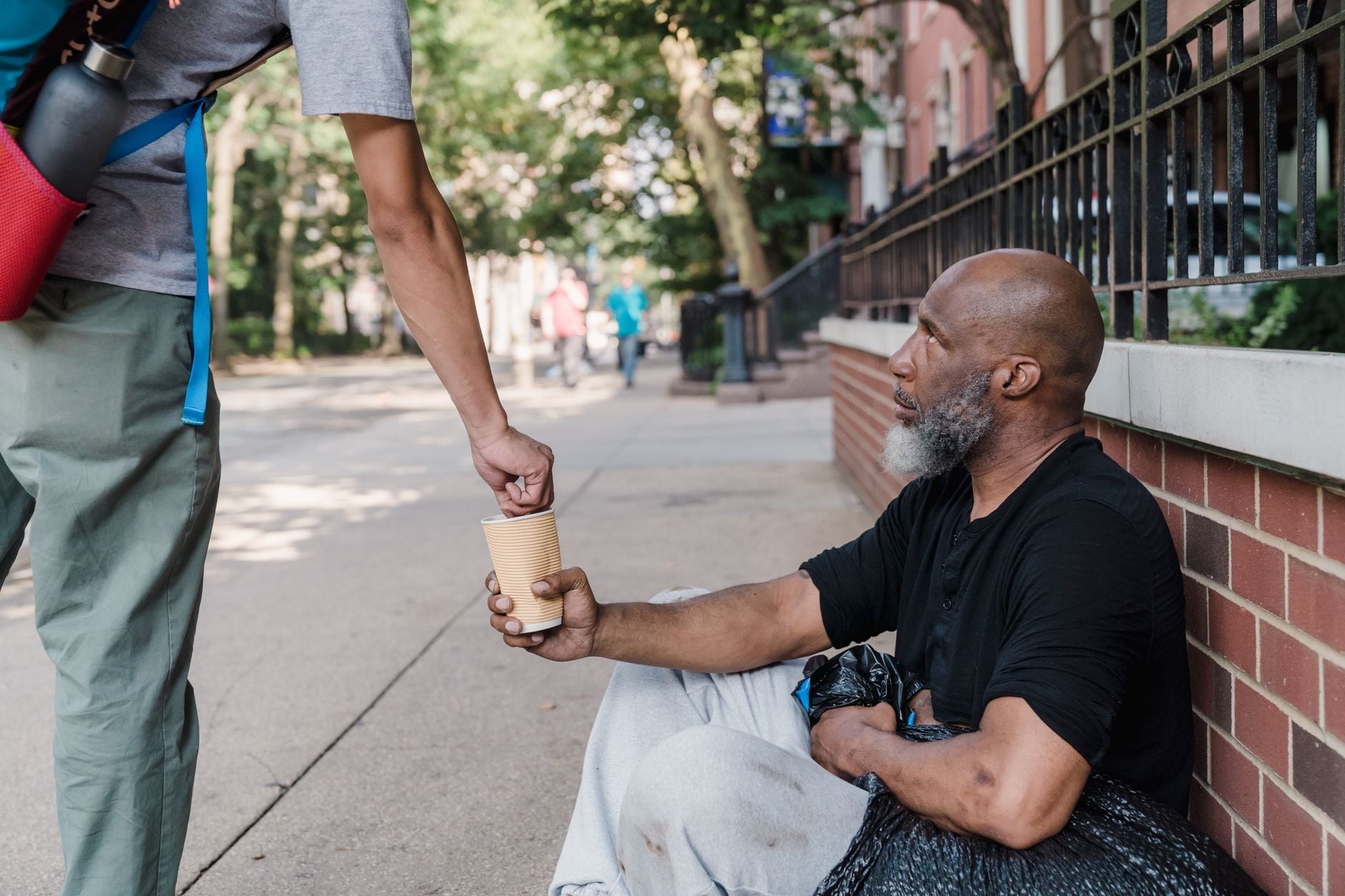
This is more useful than a resolution to be kinder, because kindness in the abstract is hard to summon on demand, whereas the specific act of considering how things look to the other person is something you can simply do. The colleague who irritates you, the stranger who is short with you, the relative whose choices baffle you: pausing to ask what it is like to be them tends to change how you treat them, without any grand moral effort. Becoming better, on this evidence, is less about willing yourself to be good and more about habitually turning your attention outward.
Much of it is subtraction
It is also worth noticing that becoming better is often a matter of removing things rather than adding them. The small unkindnesses, the flashes of contempt, the self-absorption that lets us walk past other people’s needs, the sharp remark that costs us nothing and costs them a lot: these do more to define our effect on others than any virtuous new habit. Much of the honest work is subtraction, catching and stopping the specific small harms you already do, and that is where the urgent energy behind become better now is best spent, because it is concrete and immediate in a way that adding abstract virtues never is.
The honest caveats
A few cautions keep this realistic. The as-soon-as-possible framing is the wrong tempo, because character changes slowly and incrementally, and treating it as a sprint tends to produce performance rather than substance, a burst of visible virtue that fades. There is also a documented trap here: feeling good about your own moral improvement can quietly license you to lapse, as though a recent good deed has bought you credit to spend on a lesser one, so the very sense of progress can undo it. Guard against mistaking the warm feeling of self-improvement for the reality of treating people better, which is the only real measure. And harsh self-criticism is not the engine of any of this; you do not have to decide you are a bad person to want to be a better one, and anyone earnestly asking this question is almost certainly already decent. The aim is not self-punishment but honest attention.
Where it leaves us
So the fastest honest route to becoming a better person is not a stack of new habits to install by Monday. It is two quiet, unglamorous changes and one act of removal: hold your own goodness more skeptically, since you are probably not the exception you feel like; deliberately consider the people in front of you, which reliably improves how you treat them; and subtract the small harms you already do rather than waiting to add grand virtues. None of it happens as soon as possible, and the wish that it would is part of what gets in the way. But done steadily, without the self-congratulation that quietly cancels it out, this is how people actually become kinder over time, which is the only version of becoming better that means anything at all.