Lists of the things highly likable people naturally do tend to carry a discouraging subtext: that likability is a gift some lucky people were born with, a kind of effortless charm you either have or you do not. The word naturally does the quiet damage, implying that if being liked does not come easily to you, you are simply not one of the anointed. The research on what actually makes people likable tells a more useful and more hopeful story. Likability turns out to rest far less on inborn charisma than on a couple of specific, learnable behaviors, and, reassuringly, on the fact that people already like you considerably more than you think.
Likability is about the other person, not your charisma
The first correction is where the focus lies. We tend to imagine that likable people win others over by being impressive, funny, or magnetic, by projecting something dazzling outward. In reality, the thing that most reliably makes people warm to you is not how remarkable you seem but how attended-to they feel in your presence. Likability is generated less by performing and more by making the other person feel heard, valued, and interesting. That is an important shift, because it moves the whole enterprise away from having the right personality and toward doing a simple, available thing: directing genuine attention outward rather than working to impress. The most likable people are usually not the ones talking most brilliantly about themselves; they are the ones making you feel that you are worth listening to.
The single most learnable habit: ask questions
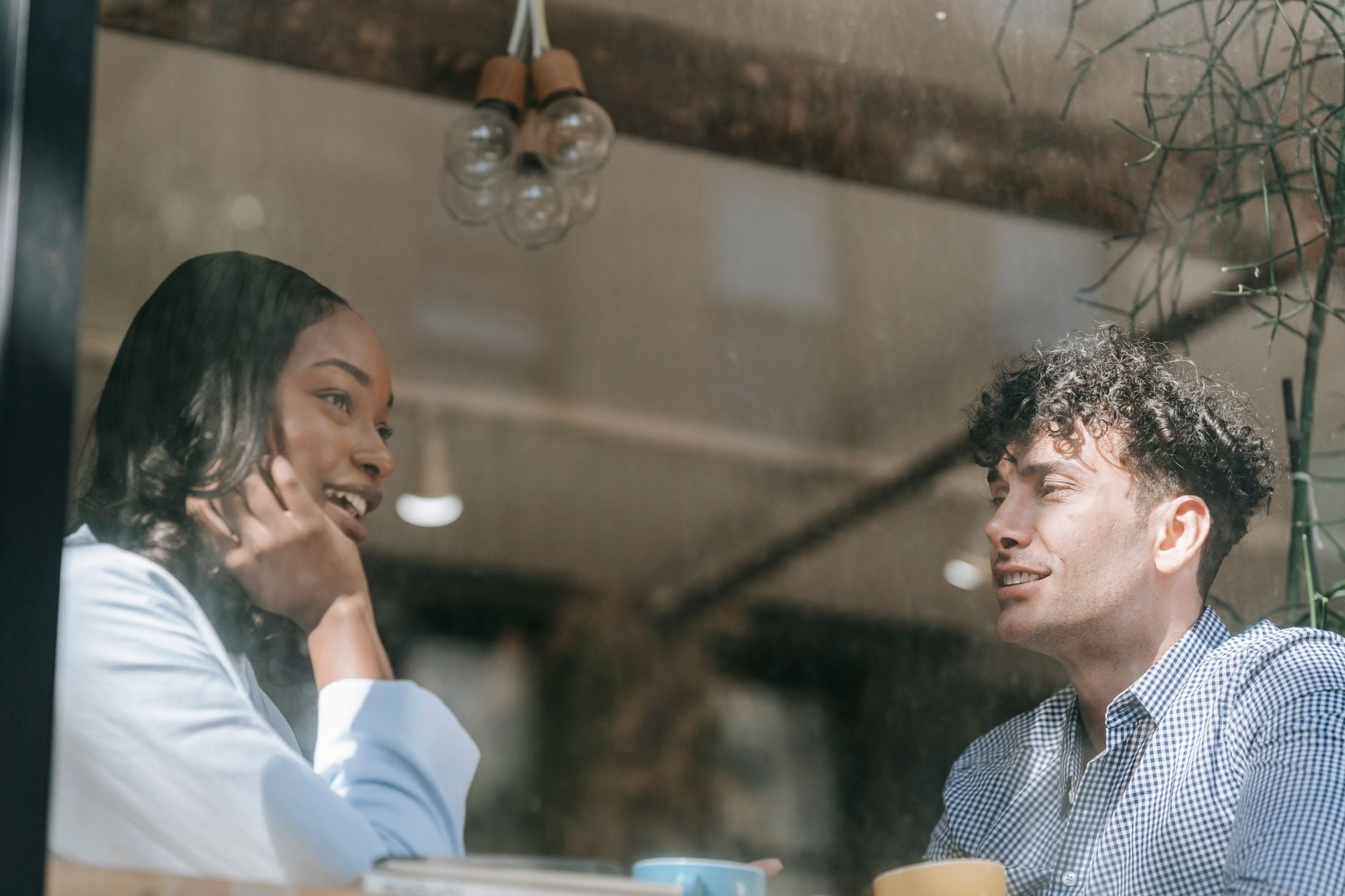
If that sounds vague, the research points to a strikingly concrete behavior that carries much of the weight. Across a series of studies of live conversations, Karen Huang and colleagues found that people who ask more questions, and especially follow-up questions that build on what the other person just said, are liked more by their conversation partners, because asking questions signals responsiveness, the sense of being listened to, understood, and cared about.
The Artful Age
A weekly letter on aging well, family across generations, and the creative life after the kids leave home.
This is the opposite of a mysterious natural gift; it is a habit almost anyone can adopt. When you catch yourself preparing your next clever remark, you can instead ask the other person to say more, and follow their answer with another question rather than steering back to yourself. Follow-up questions work especially well precisely because they prove you were actually listening. Far from making you seem passive or dull, this makes you more likable, not less, which upends the intuition that being interesting is what wins people over. Being interested, it turns out, does more for your likability than being interesting, and it is entirely within your control.
You are already more likable than you think
The second correction removes a lot of the anxiety that surrounds this whole topic. Much of what makes people feel unlikable is not a real deficit but a distorted self-perception. In a series of studies, Erica Boothby, Gus Cooney and colleagues documented what they called the liking gap: after conversations, people consistently underestimated how much their partners liked them and enjoyed their company, a mistake driven largely by being too critical of their own performance.
This matters because the fear of not being likable is often self-fulfilling in the wrong direction. If you walk away from an interaction convinced you came across badly, you may hold back next time, second-guess yourself, and project the very awkwardness you dread, when in fact the other person probably liked you more than you realized. The liking gap suggests that most people are their own harshest critic and that the warmth others feel toward them is greater than they assume. Simply knowing this can free you to relax, since the anxious self-monitoring that makes people seem stiff is built on a false read of how you are actually landing.
Keeping it honest
Two caveats keep this grounded. The first is that these behaviors only work when they are sincere. Asking questions as a manipulative technique, firing them off while visibly waiting for your turn to talk, does not build liking; it reads as an interview or a sales tactic. The mechanism is real responsiveness, genuine curiosity about the other person, and you cannot fake that convincingly for long. The point is not to perform interest but to actually cultivate it, treating the people you talk to as worth being curious about, which most of them are. The second is a gentle correction to the goal itself. Being universally liked is neither possible nor especially worth chasing; the effort to be liked by everyone usually means sanding down your own edges and opinions until there is little left, and some of the most worthwhile people are not the most universally popular. The aim is not to maximize how many people like you but to connect more warmly with the people in front of you, and to stop believing you are worse at it than you are. Do that, ask, listen, and give up the anxious self-criticism, and the likability the lists treat as a rare natural endowment turns out to have been available to you all along.