Almost all of the attention paid to a child’s development goes to the parents. Parenting styles, attachment, the thousand small decisions of raising a person. Siblings tend to get treated as background noise, the people who happen to be in the house. Yet for a lot of children the sibling is the most constant companion of childhood, the one they spend the most unsupervised hours with, and, if things go a certain way, the person who will be around the longest, outlasting parents and sometimes partners too.
The research on siblings is thinner than the research on parents, which is part of the point. When you do look at it, brothers and sisters turn out to be doing real work.
The first place a child practices being social
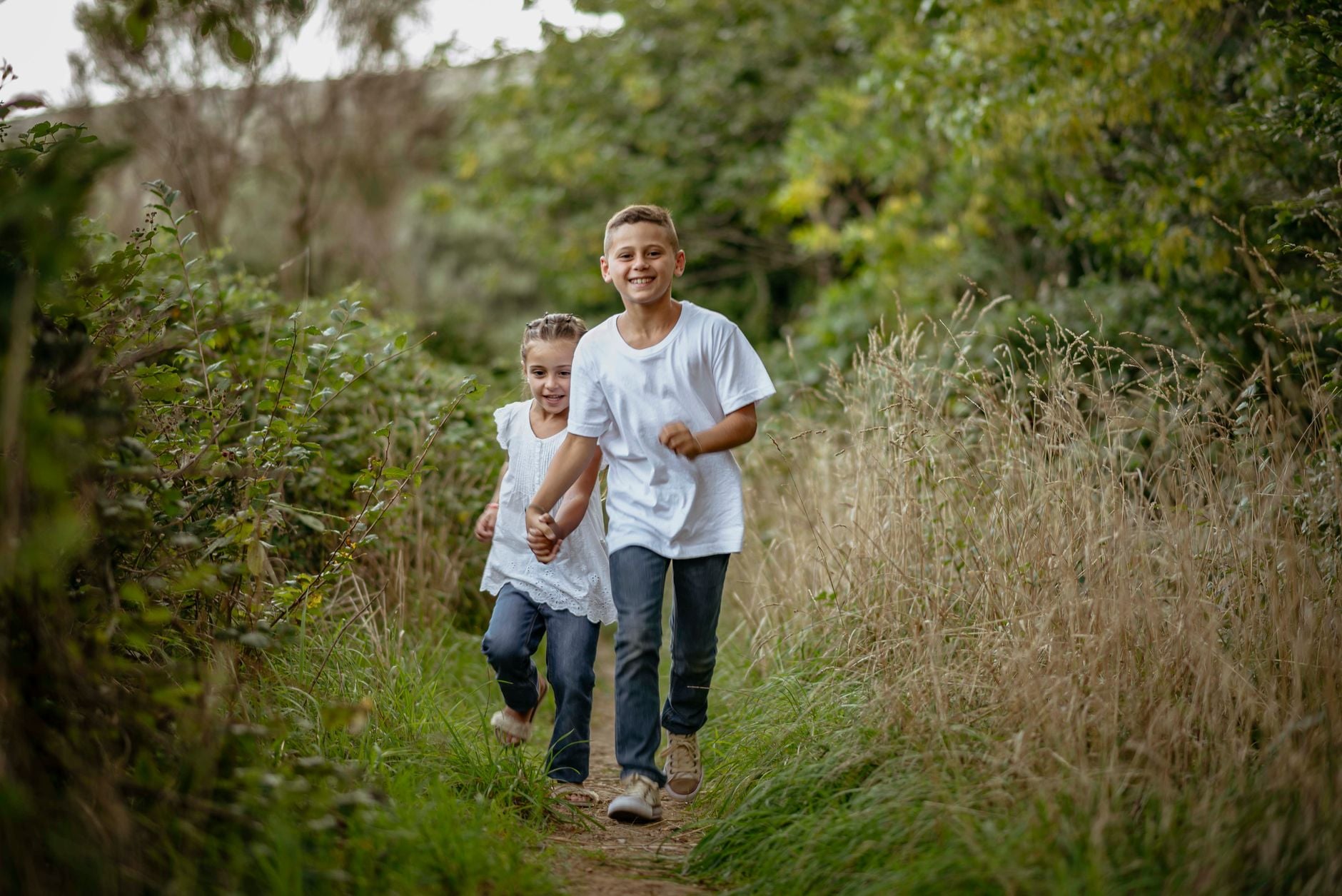
A sibling is a strange kind of relationship for a young child. It is a peer, but not a chosen one. You cannot break up with a sibling the way you drift from a friend, and you do not have to be on your best behavior the way you might with a playmate. That combination, permanent and unguarded, makes it an unusually honest training ground.
The Artful Age
A weekly letter on aging well, family across generations, and the creative life after the kids leave home.
The psychologist Judy Dunn spent decades watching young children with their siblings and found them capable of far more social sophistication than anyone expected: teasing that required knowing exactly what would annoy a brother, comforting that required reading a sister’s mood, elaborate negotiation over whose turn it was. A great deal of early learning about how other people work happens in these ordinary skirmishes and truces. Reviews of the field, including a widely cited one by Susan McHale and colleagues, have made the same broad point, that siblings shape each other’s development in ways the research has been slow to take seriously next to parents.
This reframes sibling conflict, at least a little. The arguing that exhausts parents is also, some of the time, practice: learning to hold your ground, read a face, repair things afterward, with someone who will still be there tomorrow no matter how it goes. That is not a reason to wave away real cruelty, which is a different thing. But everyday squabbling is not a sign that something has gone wrong.
A source of support that is not the parents
The more striking finding is that a good sibling relationship can actually protect a child. In a 2007 study in the Journal of Child Psychology and Psychiatry, Krista Gass, Jennifer Jenkins and Judy Dunn followed children over time and looked at how they weathered stressful life events. Children with warm, affectionate sibling relationships showed fewer signs of emotional distress after those events than children without them.
The detail that makes it interesting is this: the protective effect held regardless of how good the child’s relationship with their mother was. A close sibling was not simply standing in for a warm parent or reflecting one. It was its own source of support, doing something the parent relationship did not.
It is worth keeping the usual caution in view. This is one study, and it is correlational in the sense that families with affectionate siblings tend to differ in other ways too, so the sibling bond cannot be cleanly credited as the cause. But it fits a sensible picture. A brother or sister who is on your side is one more person in a child’s corner, and that turns out to matter when things are hard.
What this does not mean
A few honest limits belong here, because a piece like this can easily curdle into pressure.
None of it says siblings must be close, or that a family has failed if they are not. Plenty of adult siblings drift apart, or never clicked, and that is common rather than shameful. It also takes nothing away from only children, whose friendships and cousin relationships do much of the same social work; the point is not that everyone needs a sibling, but that the ones people have are worth more than we tend to grant them.
And closeness cannot be forced. You cannot assign your children to be lifelong friends, and trying too hard tends to backfire.
What a parent can actually do
What does seem to be within reach is quieter: mostly, not eroding the bond. The things that reliably corrode sibling relationships are fairly well known, and they are things adults do. Obvious and lasting favoritism. Casting children in fixed roles, the responsible one and the wild one, that they then have to fight their way out of. Refereeing every dispute to declare a winner, which teaches siblings to compete for a parent’s judgment rather than work things out between themselves.
Set those aside and the relationship mostly builds itself, in shared time and shared history, the private jokes and the long car rides and the events only the two of them remember. Researchers like Laurie Kramer have even shown that sibling skills, taking turns, managing conflict, can be taught, but most of it happens on its own if the conditions are halfway decent.
The reason siblings are underrated is probably that their work is invisible. It happens between children, out of the parents’ sight, over a span too long to see the shape of while you are inside it. It is easy to notice the fighting over the back seat. It is harder to notice that two people are quietly becoming each other’s oldest witness.