People who prefer solitude tend to get sorted into one of two stock characters: the serene, self-possessed loner who has risen above the noise, or the worrying recluse who is quietly slipping away from the world. Both pictures share a hidden assumption, which is that preferring to be alone is a single thing that means a single thing. The research on solitude keeps landing on the opposite conclusion. The aloneness itself tells you very little. What matters, almost every time, is the reason underneath it.
This is a reading of what the research describes, not a diagnosis of anyone, and it is worth saying that most of the careful work here has been done with children and teenagers rather than adults, a limit we will come back to.
There are at least three different roads to being alone
The most useful map comes from the psychologist Robert Coplan, whose paper with Julie Armer carries the apt title “A Multitude of Solitude.” Coplan’s central point is that spending time alone can spring from very different motivations, and that lumping them together hides everything interesting. He describes solitude in terms of two separate pulls: how much a person is drawn toward other people, and how much they are pushed away by anxiety.
The Artful Age
A weekly letter on aging well, family across generations, and the creative life after the kids leave home.
Sort people by those two pulls and you get distinct types. Shyness is high on both: shy people genuinely want to connect but hold back because being around others makes them anxious, so they are alone against their own wishes. Avoidance is a different case again, a low pull toward others combined with an active wish to stay away. And then there is unsociability, which is the one the phrase “prefers solitude” usually means: a low pull toward socializing paired with no real fear of it. Unsociable people are not anxious and not fleeing. They simply find solitary things rewarding and do not feel they are missing much. Researchers describe this as a fearless preference for being alone, and treat it, in Western studies at least, as a comparatively benign form of keeping to oneself.
The genuine preference is mostly fine; the anxious version is the one to watch
That distinction does real work, because the different roads lead to different places. In studies separating these types, shyness tends to travel with emotional difficulties, loneliness, and internalizing problems, the signature of wanting in but feeling unable. The plain preference for solitude does not carry the same emotional freight. It is more consistently linked to simply doing solitary things, and far less to the anxiety and low mood that shadow shyness.
In other words, the version of solitude that most deserves a second look is not the contented person happily absorbed alone. It is the person who is alone because something is keeping them out: anxiety, fear of judgment, a painful history with other people. The behavior can look identical from across a room. One person reading alone at the party is exactly where they want to be, and another is trapped at the edge of a room they wish they could enter. The research suggests the useful question is never simply whether someone spends time alone, but which of those two it is.
Culture and age change the reading
The picture is not fixed, and two things shift it. One is culture. The finding that a preference for solitude is fairly harmless comes largely from individualistic Western settings, where being self-directed and enjoying your own company is broadly respected. Work by Xinyin Chen, Coplan, and colleagues comparing children across cultures has found that in more collectivist contexts, unsociability can be read very differently, sometimes as a mark of being anti-collective or self-centered, and is more often tied to poorer peer relationships and adjustment. A good deal of what looks like a problem with solitude, on this evidence, is really other people’s reaction to it rather than anything inherent in the solitude.
Age matters too. Research on preference for solitude across adolescence suggests it sits more comfortably in later adolescence, when a degree of chosen independence is developmentally expected, than in the early years when peers are the whole social world. The same behavior can be a warning sign at one age and an ordinary sign of maturing at another.
What this means for reading the person in front of you
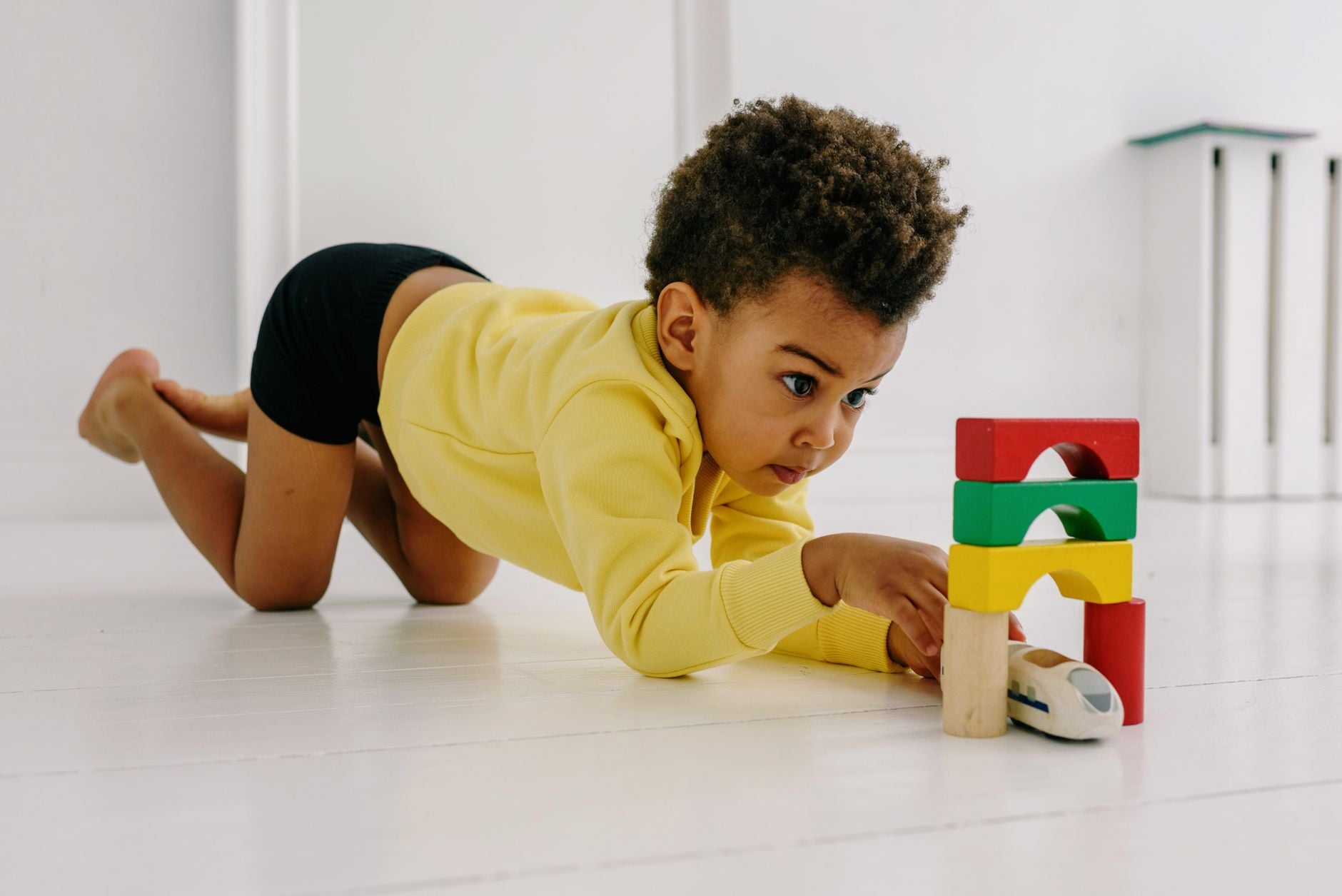
For a parent watching a child who would rather build alone than join the group, or for anyone trying to make sense of their own pull toward the quiet, the takeaway is steadying. A child who plays happily by themselves and shows no distress is not, on this evidence, displaying a problem to be corrected, and pressuring a content solitary person to be more social can miss the point entirely. The signal worth attending to is not the solitude but the feeling around it: ease, absorption, and a genuine return to people when they want them, versus anxiety, longing, and a door the person cannot seem to open. The first needs no fixing. The second is worth a gentle, curious conversation.
What the evidence does and does not settle
A few honest limits belong here. Most of this research is on children and adolescents, so extending it to adults who prefer solitude is reasonable but not proven, and even the benign preference for solitude has been linked in some studies to peer problems, since a group can push back against a member who opts out. The work is largely correlational, drawn from particular cultures and age groups, and none of it speaks for any single person, whose reasons are their own.
Within those limits, the reframing holds and is a kinder one than the stock characters allow. People who prefer solitude are not one kind of person, and the preference itself is not the thing to judge. A freely chosen, unanxious taste for one’s own company appears to be a fairly ordinary and healthy way to be. It is only the solitude that fear or avoidance imposes, the kind nobody actually chose, that asks for a closer and more caring look.