
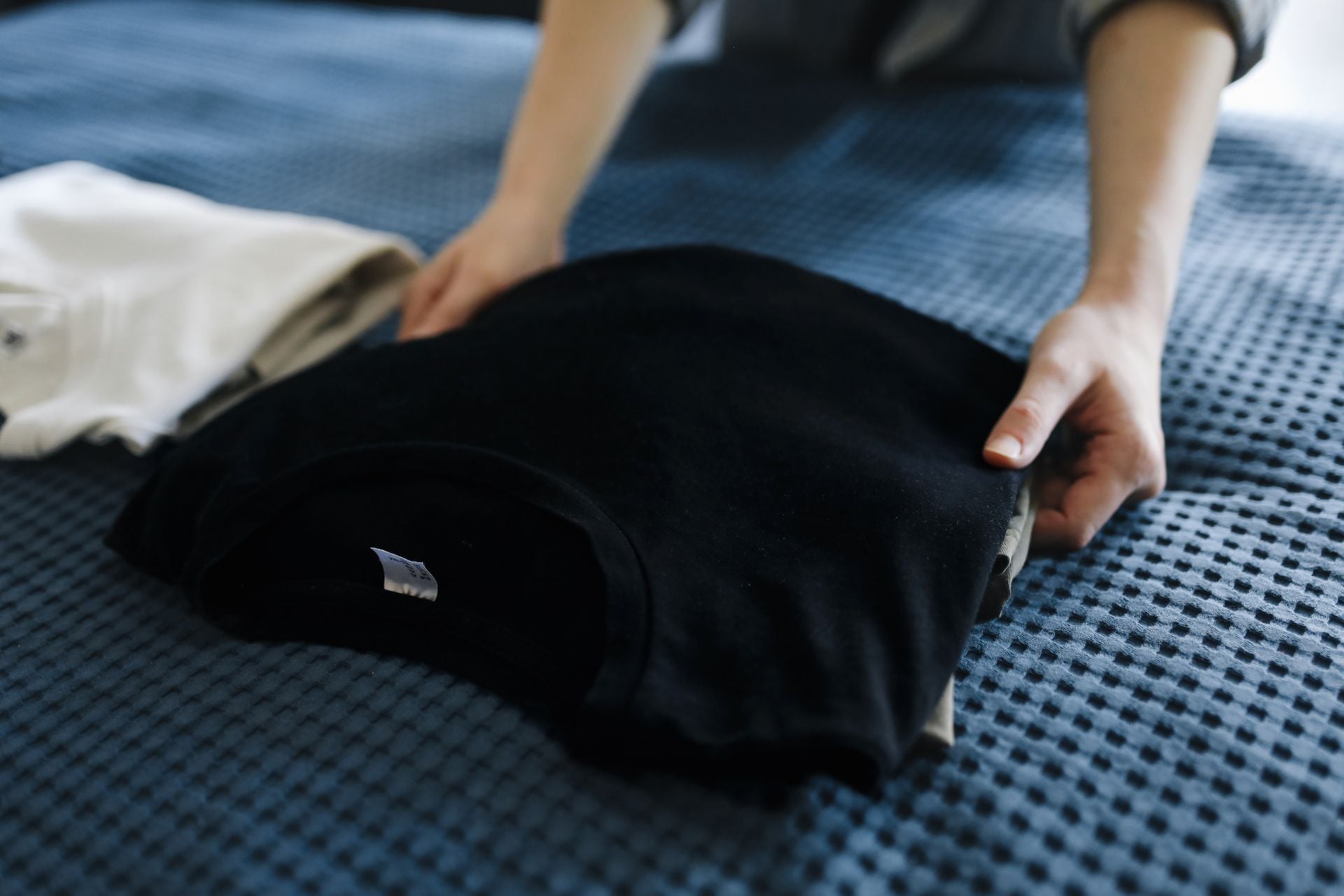
A single cotton T-shirt — the plain one folded on the shelf, the £4 basic, the freebie from the charity run — carries a hidden bill of roughly 2,700 litres of fresh water. That is what one person drinks over about two and a half years. It is enough to fill fourteen bathtubs. It is more water than most households in Britain use in a fortnight, poured into a garment that weighs less than a paperback book.
The number comes from water footprint accounting cited by the fashion sustainability community for more than a decade. It counts every drop from the cotton field to the finishing plant. Rain that fell on the crop. Irrigation drawn from the Indus or the Aral basin. Water used to wash the fibre, dye the fabric, rinse the finished shirt before it was folded and shipped.
Where the litres actually go
Most of the water is drunk by the cotton plant itself. Cotton is thirsty. A cotton boll grown in a hot, dry climate can need irrigation almost continuously through the summer, and the fibre that ends up in one adult T-shirt takes significant raw cotton lint to produce.
The Artful Age
A weekly letter on aging well, family across generations, and the creative life after the kids leave home.
The rest goes to processing. Spinning, knitting, bleaching, dyeing, softening, rinsing. Textile dyeing is widely documented as a major source of industrial water pollution in producing countries, because the dye baths get emptied and refilled and emptied again.
The finished shirt is light. The water it drank is not coming back.
Two and a half years of drinking water, in one shirt
An adult’s daily drinking need is around 2 to 3 litres, depending on climate and activity. Multiply 3 litres by 365 days by 2.5 years and you land at roughly 2,700. That is the arithmetic behind the comparison — and it is why the figure sticks. One shirt equals one person’s cup, glass, kettle and water bottle for the length of a toddler’s life so far.
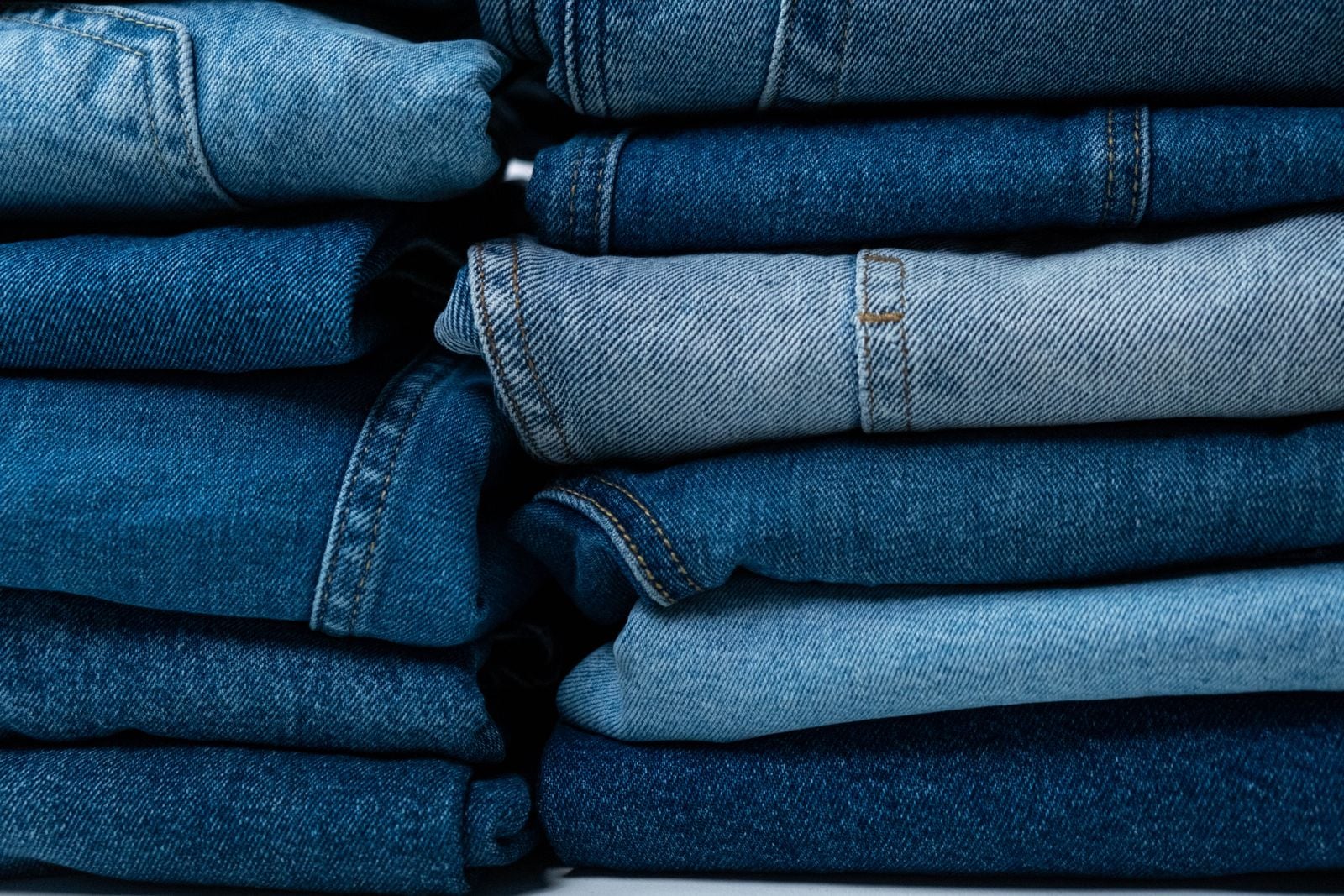
The comparison gets sharper when you scale up. A pair of jeans takes closer to 7,500 litres, according to figures cited by UN News in its 2019 launch of the UN Alliance for Sustainable Fashion — equivalent to what one person drinks over seven years. The fashion industry as a whole draws vast quantities of water annually.
Why cotton drinks so much
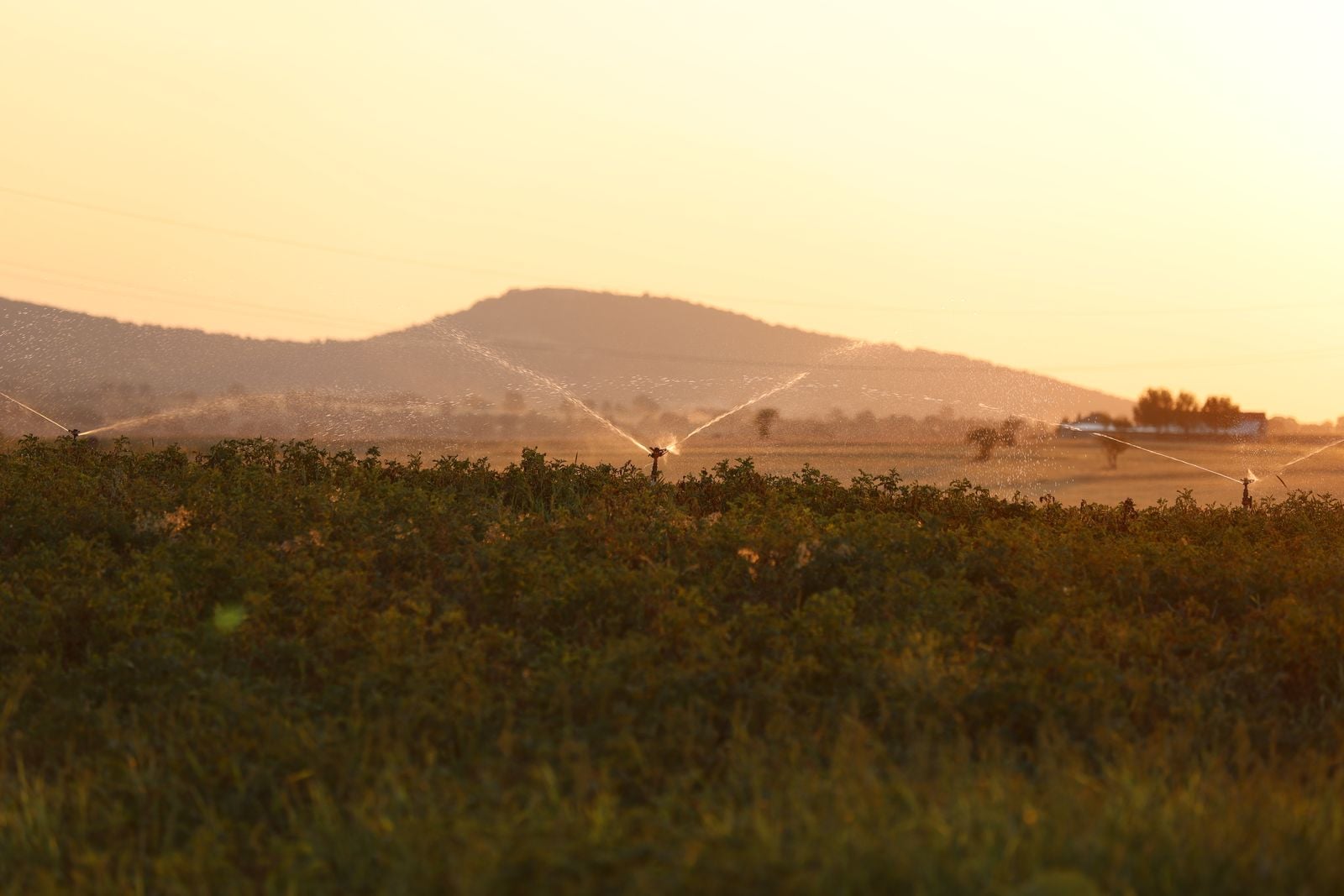
Cotton is a subtropical shrub domesticated for its seed hairs — the long, twistable fibres that spin into thread. To grow those fibres to commercial length, the plant needs a long, hot growing season and steady moisture. In rain-fed regions like parts of West Africa, cotton grows on what falls from the sky. In irrigated regions like Uzbekistan, Pakistan and parts of India and the American Southwest, it grows on water pumped from rivers and aquifers.
The Aral Sea is the cautionary tale. Once the fourth-largest lake in the world, it shrank dramatically after Soviet-era planners diverted its feeder rivers to irrigate cotton in the surrounding deserts. Rusting fishing boats now sit on sand where boats used to float.
The Indus basin is the current pressure point. WWF estimates that 97 per cent of the water drawn from the Indus River goes to crops, cotton chief among them. The river feeds around 200 million people. The T-shirts feed a global wardrobe.
The dyeing stage, and what happens downstream
Growing the cotton is the thirsty part. Dyeing it is the polluting part. In Bangladesh, garment factories and textile mills draw down groundwater that villages also depend on for drinking and cooking.
What comes out of the dye house is not the water that went in. Effluent from textile finishing can carry heavy metals, azo dyes, phenols, formaldehyde and pesticide residues. In documented cases across major textile-producing hubs, rivers near dyeing plants have run the colour of the season’s fashion — as researchers writing in The Conversation traced through one shirt’s full life cycle, from field to landfill. Major fashion brands have been linked at various points to water pollution incidents in their supply chains.
Contaminated water rarely stays put. It seeps into paddy fields, irrigation canals and shallow wells. The dye in the river ends up, eventually, in the rice.
Is 2,700 litres the real number?
The figure is a global average, and averages can mislead. Cotton grown on rainfall in Benin consumes rain that would have fallen anyway; cotton grown on pumped groundwater in Rajasthan draws down a finite aquifer. The 2,700-litre number rolls both together.
Some in the industry argue the figure is too blunt. A 2021 misinformation report covered by Green Queen argued that repeating the same headline number for a decade has obscured genuine nuance in cotton’s water intensity, and that cotton is a drought-tolerant crop that draws proportionally little irrigation water compared with other major crops. The critique has a point about nuance. It does not undo the basic arithmetic on irrigated fields, dye baths and the river running downstream from the mill.
The Water Footprint Network’s explanation of water footprint methodology lays out the three colours researchers use: green (rainwater absorbed by crops), blue (surface and groundwater pulled for irrigation and processing), and grey (the freshwater needed to dilute pollution back to safe levels). The 2,700-litre T-shirt is a sum of all three.
Fast fashion multiplies the thirst
Clothing production has increased substantially in recent decades. Shoppers today buy more clothes and keep each item for less time than in previous years. A T-shirt bought for a weekend and abandoned by the following spring still cost the same 2,700 litres to make.
The water needed to produce clothing in the UK swallows billions of cubic metres annually — a volume large enough to fill Loch Ness, as Geographical put it.
Even in the luxury tier, where garments are marketed as investments rather than disposables, the sustainability conversation keeps returning to the same lever: fewer garments, worn longer.
The everyday swaps that actually shift the number
The most straightforward reductions come from three places. Buying second-hand rather than new — because the water was already spent. Wearing each garment twice as long — because doubling the life of a T-shirt roughly halves its water share per wear. And repairing small holes and snags rather than replacing the whole shirt — because one darning stitch saves 2,700 litres.
If every adult in the UK bought one pair of second-hand jeans instead of a new pair, the water saved would be substantial. That is the arithmetic of subtraction working in the other direction.
What a shirt weighs
A cotton T-shirt weighs around 150 grams on a kitchen scale. The water it drank on the way to that weight would fill a small garden pond. If you set the shirt on one side of a balance and 2,700 one-litre bottles on the other, the bottles would form a stack roughly the height of a five-storey building.
Rain fell on the field in Gujarat or Texas or the Nile Delta. Pumps ran. Rivers thinned. Dye baths filled and emptied and filled again. The shirt arrived folded, tagged, and priced at less than the cost of a coffee.
The next time one comes out of the drawer, it is worth remembering what filled it.