
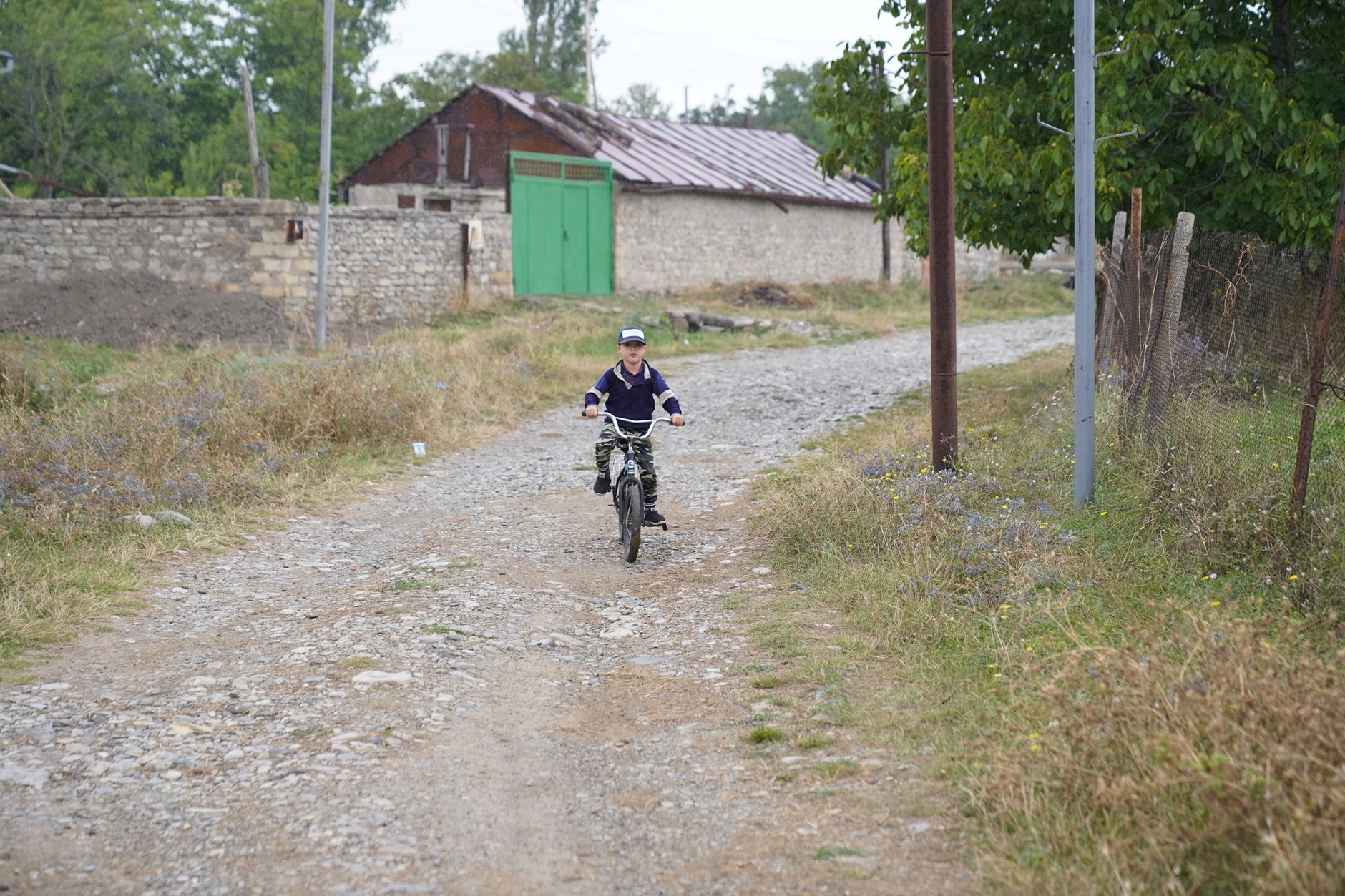
Ask anyone who was a child in the 1970s what they complained about, and the same items come up. The crushing boredom of a wet Sunday with three television channels and nothing on. Being turned out of the house after breakfast and told not to come back until the streetlights came on. The endless waiting, for a show to air, for a film to be developed, for a letter to arrive. These were genuine grievances at the time. And they are, oddly, close to the top of the list of things the same people now say they miss. The interesting question is why we come to ache for the very things we could not wait to escape.
Part of the answer is a quirk of how memory works, and part of it is that something real was lost. It is worth separating the two, because they are easy to confuse.
Why we miss what we hated
Nostalgia has been studied seriously for a couple of decades now, largely by the psychologists Constantine Sedikides and Tim Wildschut at the University of Southampton, and their picture of it is not the sappy one. Nostalgia tends to be triggered by loneliness or low mood, and it functions as a kind of emotional repair. Recalling the past, their research finds, restores a sense of social connectedness, of continuity between who you were and who you are, and ultimately of meaning. It does not simply replay old footage. It reframes it, and in the reframing, even the dull and the difficult bits get folded into a warm story about a coherent life.
The Artful Age
A weekly letter on aging well, family across generations, and the creative life after the kids leave home.
Sitting alongside that is a plainer bias psychologists call rosy retrospection: the well-documented tendency to remember experiences more fondly than we felt them while they were happening. The boredom that felt like a physical weight at the time gets remembered as a golden, unhurried spaciousness. The enforced exile to the garden becomes freedom rather than banishment. So a good part of the missing is a trick, a useful one, performed by a mind that is quietly editing the past to comfort the present.
But some of it was genuinely real
It would be easy to stop there and conclude that the whole thing is an illusion. It is not, and this is the part worth taking seriously. One of the things 1970s children actually had, and grumbled about, has measurably vanished.
In a landmark study for the Policy Studies Institute, the researcher Mayer Hillman and colleagues documented how far children were allowed to roam on their own. The numbers are striking. The share of English seven-to-eleven-year-olds permitted to walk home from school by themselves fell from 86 percent in 1971 to 35 percent by 1990, and later work found that children’s independent mobility kept shrinking through 2000 and beyond. The unsupervised, wander-till-dinner autonomy that a 70s child took entirely for granted, and often resented as being kicked outside, was real, was widespread, and has genuinely contracted. When people miss it, they are not only misremembering. They are mourning something that has actually gone.
The boring parts were the important parts
Here is where the two grievances that head the list, the boredom and the banishment, turn out to be the same thing wearing two faces. An empty afternoon with nowhere to be and nothing laid on was a problem the child had to solve, and the tools available were imagination, a bicycle, some friends, and a neighborhood to disappear into. The fort got built, the game got invented, the long pointless expedition got mounted, precisely because no one had scheduled the time or filled it in advance.
This is why the nostalgia lands where it does. It is not the organized treats people tend to miss most, but the unstructured, faintly tedious hours, because those were the hours in which a child practiced being resourceful and free. The thing that felt like nothing was happening was, in retrospect, where a good deal of the important development was quietly taking place. For anyone who cares about how children become inventive, that is a suggestive detail, even if boredom is no magic ingredient and plenty of it was just boring.
Holding the memory honestly
A few honest qualifications keep this from curdling into the usual everything-was-better sermon. Rosy retrospection cuts both ways, which means the nostalgia conveniently forgets the real downsides: the genuine tedium that did not always resolve into wonder, the children who were excluded or unsafe in that unsupervised world, the absence of the safety nets we would now consider basic. And the reasons independent roaming shrank are not all sinister. Traffic grew, households changed, and a great deal of the caution came from love.
The balanced version is neither that the decade was a paradise nor that the longing is pure fantasy. It is that a particular texture of childhood, unstructured, autonomous, and occasionally very dull, was real, has largely faded, and is missed through a double lens: a mind that gilds whatever it looks back on, and a loss that would be worth naming even if the mind were perfectly honest.
Which leaves one quietly useful thought for anyone raising children now. The specific ingredient at the center of all this longing, a stretch of time that is unscheduled, lightly supervised, and allowed to be boring, is not a relic of the 1970s. It is a choice, harder to make than it was and rarely made by accident, but still available to hand a child on an ordinary afternoon, streetlights optional.