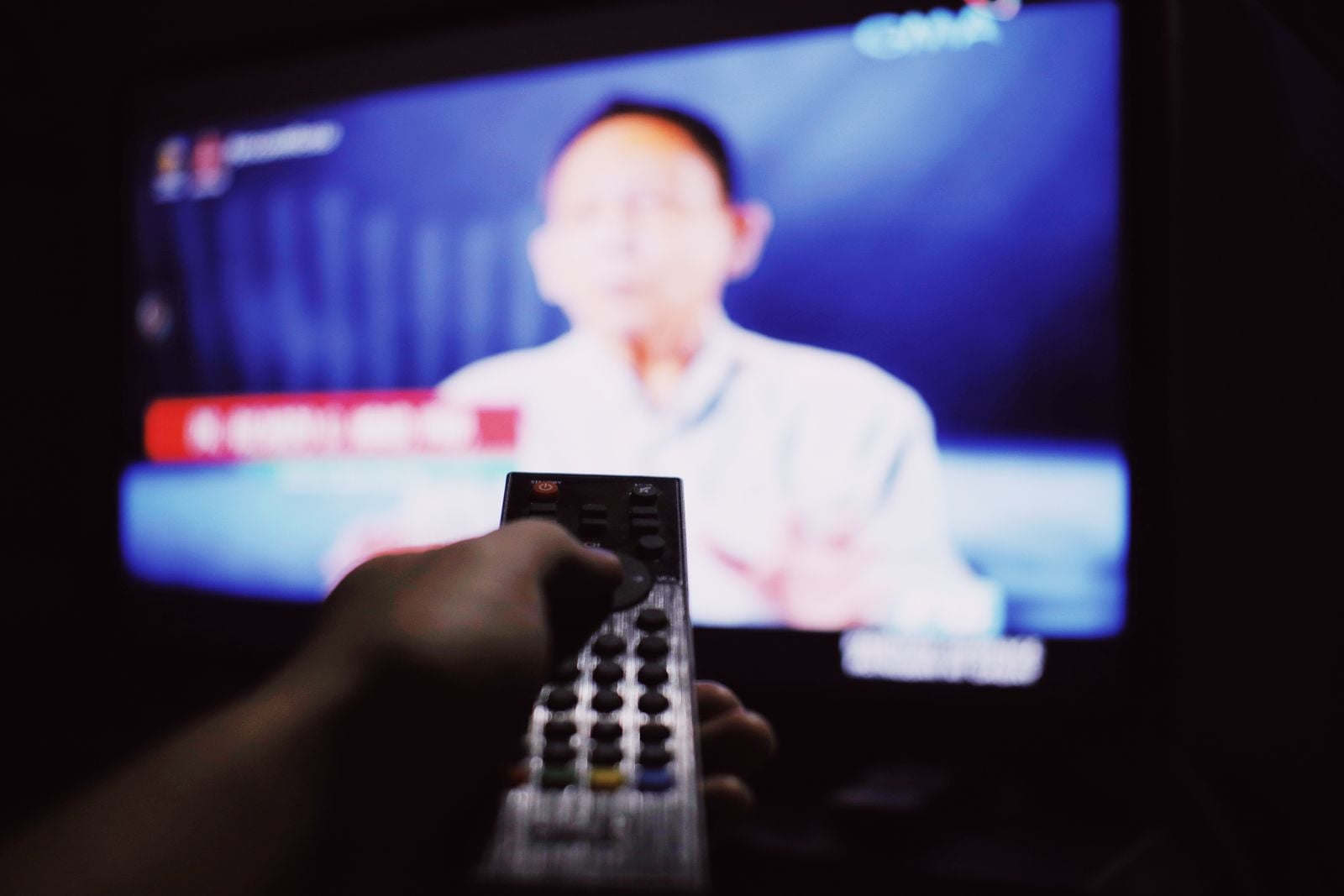
By their second birthday, American babies in the National Children’s Study were watching, on average, more than three hours a day of television — and the ones logging the most screen time were the ones most likely, at 33 months old, to show sensory behaviours that fall outside the typical range. They sought out intense stimulation, or shrank from it, or were slow to look up when someone called their name. The finding comes from a study of 1,471 children published in JAMA Pediatrics in January 2024 by a team at Drexel University’s College of Medicine, led by psychiatrist Karen Heffler.
The numbers are specific. At 12 months, any screen exposure at all was linked to a 105% greater likelihood of “high” low-registration behaviours nearly two years later. At 18 months, every additional daily hour of TV or DVD viewing raised the odds of high sensation-avoiding and low-registration behaviours by 23%. At 24 months, each extra hour was associated with a 20% jump in the odds of high sensation-seeking, sensory sensitivity, and sensation avoiding by 33 months.
Half the children in the sample were boys. Half were girls. The researchers adjusted for prematurity, caregiver education, race and ethnicity, and how often the child played or walked outdoors with an adult. The association with screen time held.
The Artful Age
A weekly letter on aging well, family across generations, and the creative life after the kids leave home.
What “atypical sensory processing” actually looks like at the kitchen table
Sensory processing is the ordinary machinery of a small body deciding what to do with a bright light, a barking dog, the tag inside a shirt, the smell of onions on a wooden spoon. Most toddlers respond in a middle band: they notice, they react in proportion, they move on.
Children outside that band respond in one of three patterns the Drexel team measured with the Infant/Toddler Sensory Profile, a parent-completed questionnaire used to assess small kids’ sensory-processing skills.
Sensation seeking. The child who has to touch every fabric in the shop, smell the crayons, press their face against the cold window, spin until they fall over. They appear to need more input than the room is giving them.
Sensation avoiding. The child who screams at teeth brushing, refuses the seam of the sock, will not enter a room with a hand dryer, tries to control the environment so that the input never arrives.
Low registration. The one that gives the study its quiet heart. A parent calls the child’s name from four feet away and the child does not turn. A dog barks and the child does not startle. The stimulus arrives, and the child is slow to notice it, or does not notice at all.
These patterns exist across the whole population of small children. What the Drexel study did was ask whether early television exposure shifted the odds of a child landing in the “high” range on any of them.
How the study was built
The team pulled data from the National Children’s Study, a federally funded cohort that recruited families between 2011 and 2014. Caregivers were asked, at the 12-month visit, whether their child watched TV or DVDs at all — a simple yes or no. At 18 and 24 months, they were asked how many hours per day, on average, over the past 30 days.
At 33 months, the same caregivers filled out the sensory profile. The researchers then looked backwards, matching earlier viewing to later behaviour.
The paper is careful about what it can and cannot show. It cannot prove that screen time causes atypical sensory processing. It can only show that the two travel together, tightly, in a large nationally representative sample, after adjusting for the obvious confounders. Correlation, not proven mechanism.
The study also looked only at television and DVDs. Smartphones and tablets were not measured, because in 2011 the toddlers in the cohort were largely being handed remote controls, not iPads. The real 2024 exposure figure — with YouTube Kids autoplaying on a phone propped against the high chair — is almost certainly higher than what the data captured.
Why the low-registration finding is the one to sit with
Sensation seeking and sensation avoiding are legible to parents. They come with volume. Low registration is quieter and easier to miss. A child who does not turn when called can look, from across the room, like a good child. An easy child. A child absorbed.
David Bennett, the study’s senior author and a professor of psychiatry at Drexel, explained that children showing this pattern may appear less responsive to environmental changes or slower to react when called. The 105% increased likelihood at 12 months was specifically for this pattern — the child who is slower to register that the world is trying to reach them.
The temporal ordering matters here. Screen exposure was measured first. Sensory behaviour was measured almost two years later. That does not prove direction, but it rules out the simplest reverse-causation story — that parents of already-unresponsive toddlers were parking them in front of the television. The unresponsiveness came after.

Why the finding matters for autism and ADHD conversations
Atypical sensory processing is not itself a diagnosis. It is a feature that shows up in several diagnoses, most prominently autism spectrum disorder and ADHD, where it is one of the most reliably observed characteristics. Sensory sensitivities are now part of the diagnostic criteria for autism.
Heffler noted in the Drexel announcement that this association could have important implications for ADHD and autism, given that atypical sensory processing is more prevalent in these populations. She added that future research may explore whether early screen exposure contributes to the sensory brain hyperconnectivity observed in autism spectrum disorders.
The Drexel team is not claiming that television causes autism. In an interview with 6abc, Bennett stopped short of calling screen time a possible cause of autism. What the researchers are asking is whether sensory processing might be a mechanism sitting between early screen exposure and the higher rates of autism-like behaviours observed in other cohorts — a hinge, not a cause.
What screen time is displacing
A one-year-old brain is building itself out of what happens to it. The eyes track a caregiver’s face and learn that faces move in response to sounds the child makes. The hands close on a wooden spoon and learn that objects have weight, that gravity pulls, that the metal end is colder than the handle. A dog barks in the next room and the child looks up, is soothed by an adult, and learns that startling sounds resolve into safety.
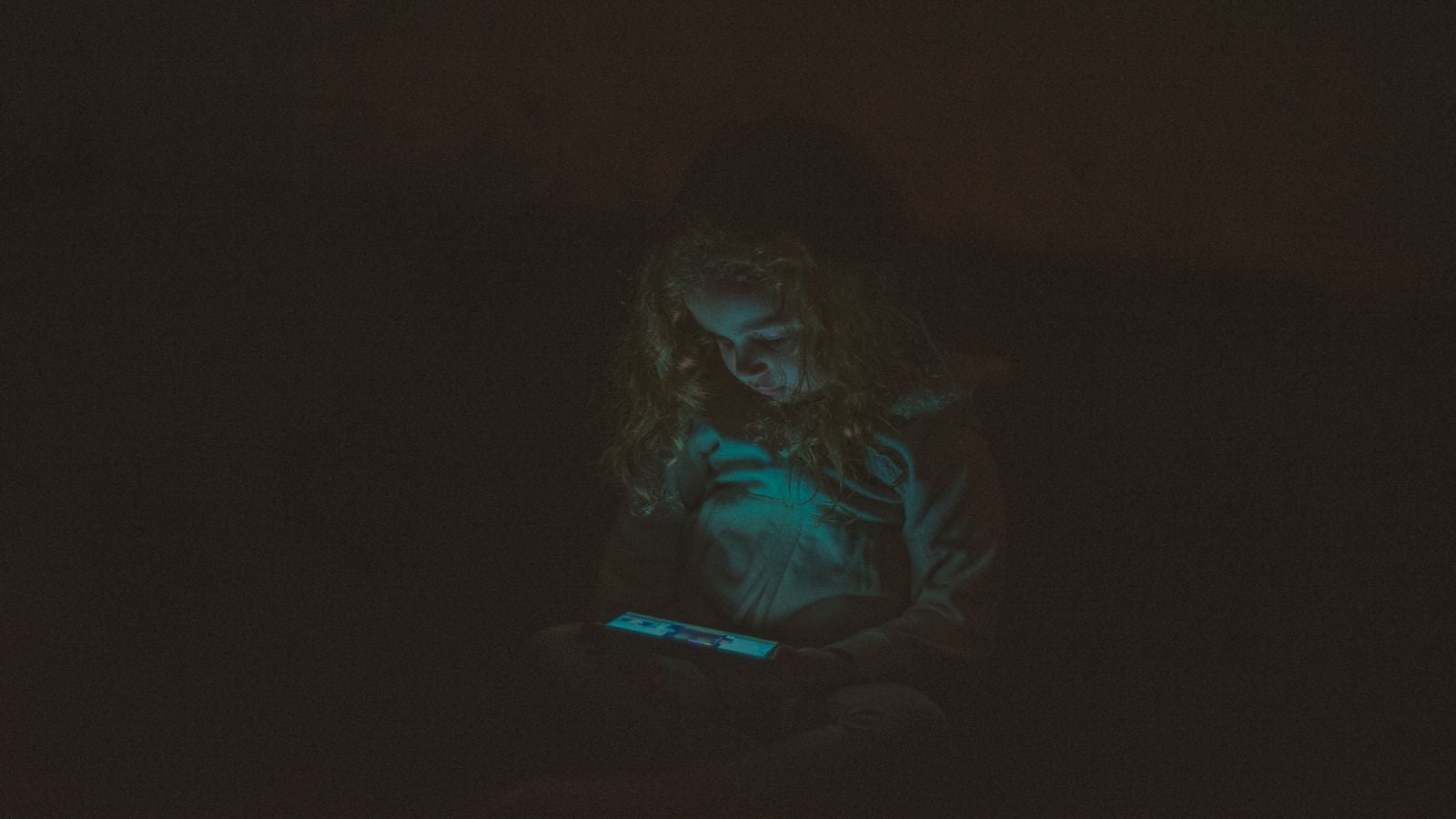
An hour of animated video is not neutral in that hour. It is an hour in which the child is not turning their head toward a name, not feeling a wet washcloth on their arm, not watching a caregiver’s mouth shape the word “cup.” Some of what the study captured may be the direct effect of watching a screen. Some may be the effect of not doing the thousand other small things a toddler would otherwise be doing.
The 1,471 children in the Drexel cohort were growing up during a period of increasing screen exposure among young children.
What the American Academy of Pediatrics actually says
The AAP guidance is stricter than most parents realise. For children under 18 to 24 months, the recommendation is no screen media at all, with one exception: live video calls with family, where the back-and-forth of the interaction is thought to carry some of the same developmental value as in-person conversation. For children aged two to five, the recommendation is no more than one hour per day of high-quality programming, ideally watched with an adult who can talk about what is on screen.
The gap between recommendation and reality is wide. The Drexel researchers acknowledged in interviews that many parents turn to screens out of exhaustion or a shortage of affordable alternatives. The guidance is not written to shame anyone. It is written to describe what the developing brain appears to need, which is other people.
What the researchers suggest doing
Heffler’s practical recommendation, quoted in the Earth.com coverage: for toddlers already showing atypical sensory behaviours, a period of screen-time reduction combined with sensory processing work delivered by an occupational therapist. Bennett added that parent training and education are the primary levers, especially for children younger than two.
The signs Bennett flagged for caregivers are worth naming plainly. A child who consistently does not want to be held. A child who repeatedly tries to escape noisy environments in a way that becomes stressful for the family. A child who is slow to respond to their name, slow to notice changes in the room around them. Any of these, on their own and on any given day, can be nothing. As a persistent pattern, they warrant a conversation with a paediatrician.
The evidence keeps accumulating
The Drexel paper sits inside a widening body of work. Research published in December 2025 and reported by News-Medical linked infant screen time to slower cognitive processing and higher teen anxiety scores years later. Separately, a large Japanese birth-cohort study, the Japan Environment and Children’s Study, found that among boys, longer screen time at age one was associated with a higher likelihood of an autism spectrum disorder diagnosis at age three — though the same link did not hold for girls.
No single study settles the question. Sensory processing is complicated. Screen time is a stand-in for a hundred other family variables that are hard to measure. But the pattern across studies is consistent enough that the Drexel team, and increasingly the AAP, are describing the safest position as the simplest one: for children under two, keep the television off.
The children in the National Children’s Study cohort are now teenagers. The one-year-olds whose caregivers ticked “yes” to the DVD question in 2012 are, in 2026, fifteen. Whatever the effects of those early hours were, the children are living inside them now, and the researchers who first collected the data are still working to trace where the pattern goes.